We use mathematics to unify the study of intelligence in brains and machines.
In neuroscience, we still don’t know how large populations of neurons give rise to perception, memory, and learning. In AI/ML, we face significant challenges to understand systems of our own making, leaving them hard to control and trust.
Our lab's hypothesis is that we lack appropriate mathematics that reveals the principles of intelligence in brains and machines. Our research develops the missing framework, uses it to formalize a theory of intelligence across substrates, and builds it into novel artificial neural networks to deliver superior performance without necessarily scaling data, parameters, or compute.
Geometric Intelligence Research
Just as physicists used geometry to build unification theories, we show that brain and machine intelligences can be studied under a common mathematical framework: geometric intelligence.
Geometric Intelligence in Machines
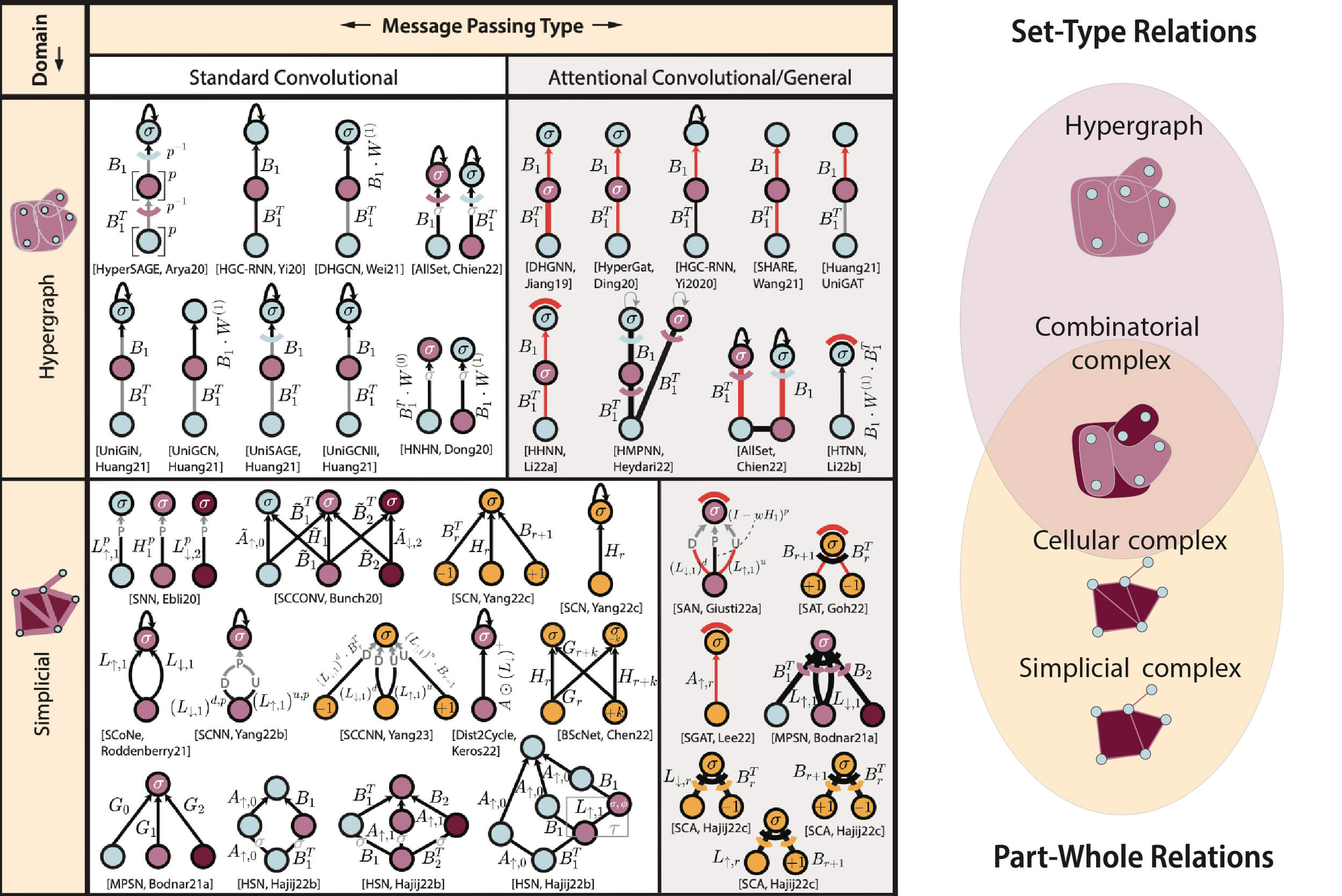
We study the properties of top-performing AI models and design mathematical approaches to improve them. Learn more.
Geometric Intelligence in Brains
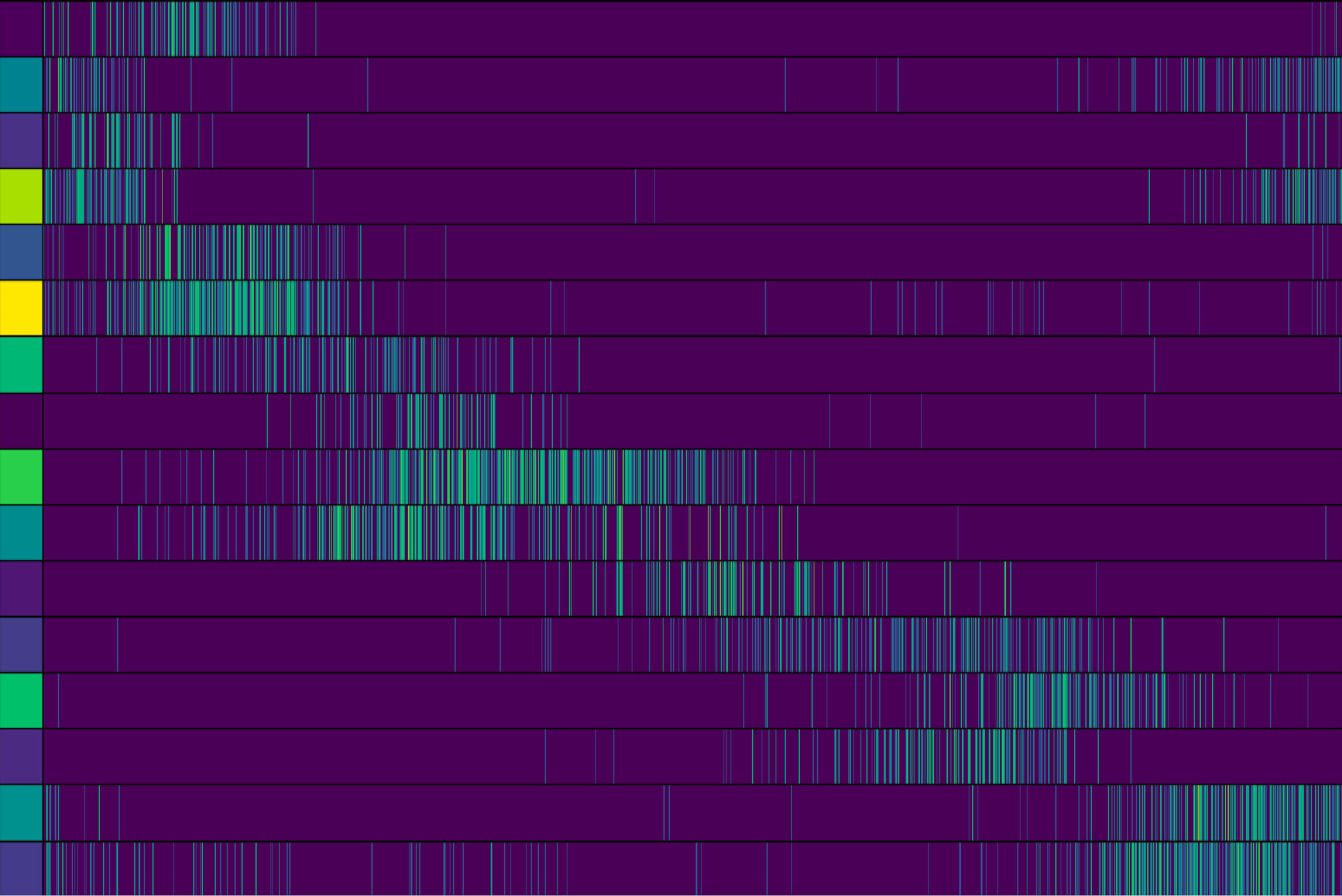
We study patterns of neural activity across diverse cognitive functions—from navigation and memory to vision. Learn more.
Building Brain Digital Twins
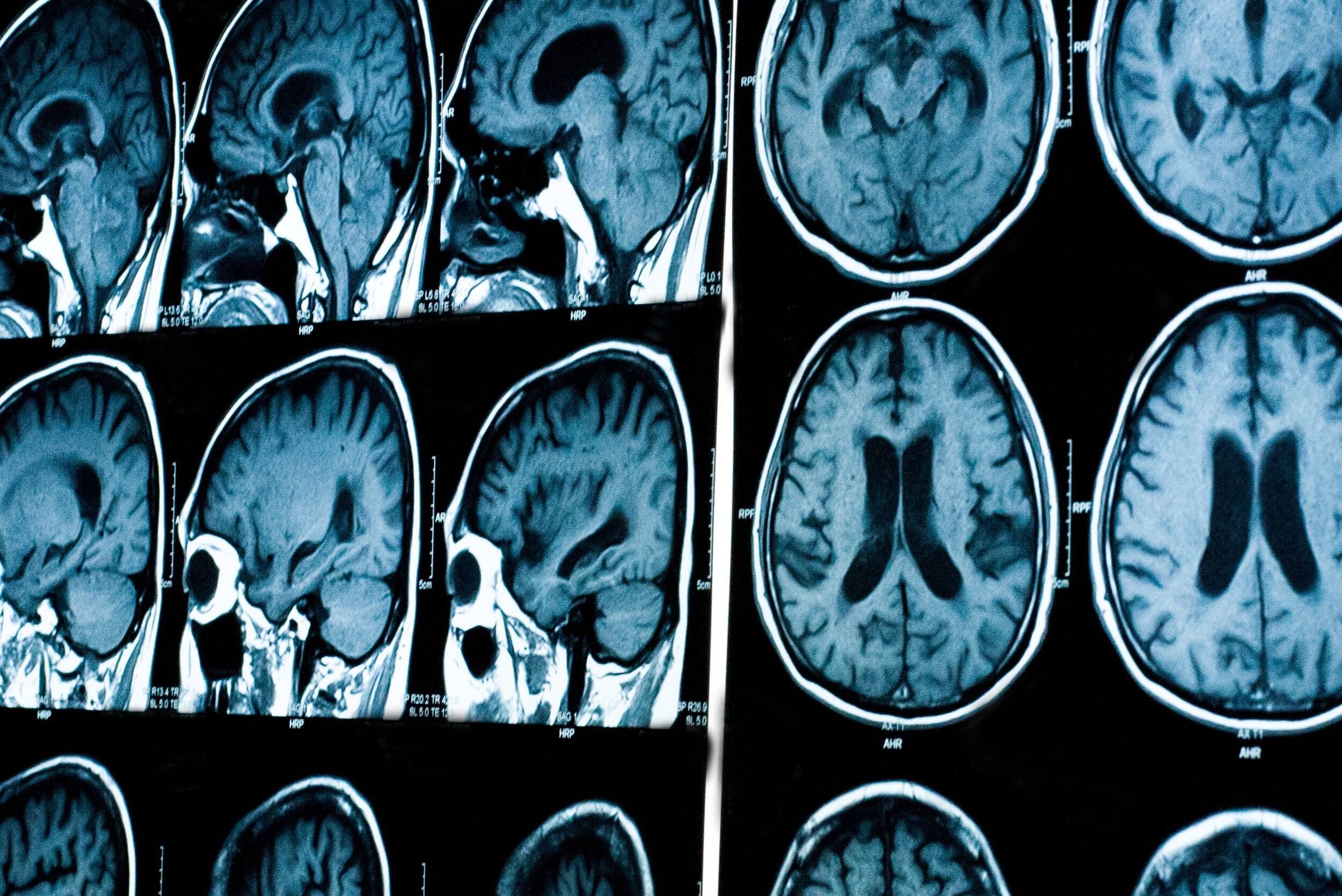
We use AI models to build digital twins of the brain, simulating its function in both health and disease. Learn more.
Latest News
Nina Miolane and REAL AI Colleagues Win $1M NSF Award to Discover Higher-Order Scientific Laws with AI
Nina Miolane, PI of the Geometric Intelligence Lab, and colleagues Haewon Jeong, Yao Qin, and Sanjukta Krishnagopal have received a $1 million NSF award to develop AI that uncovers the scientific laws governing higher-order interactions in complex systems. It is the first federal grant for UCSB's REAL AI initiative.
Read MoreNina Miolane and REAL AI Colleagues Win $1M NSF Award to Discover Higher-Order Scientific Laws with AI
Dr. Guillermo Bernárdez Gil Receives the 2026 Extraordinary Doctoral Award by the Universitat Politècnica de Catalunya
We are delighted to announce that Dr. Guillermo Bernárdez Gil, a postdoctoral researcher in our lab, has been honored with the 2026 Extraordinary Doctoral Award from the Universitat Politècnica de Catalunya (UPC), in recognition of his outstanding doctoral thesis in the field of ICT Engineering.

Dr. Fatih Dinc Receives Prestigious 2026 SIAM Richard C. DiPrima Prize
We are absolutely thrilled to announce that our very own Dr. Fatih Dinc has been named the recipient of the 2026 Richard C. DiPrima Prize by the Society for Industrial and Applied Mathematics (SIAM). This highly competitive international award is issue only once every two years to a single early-career researcher. It recognizes the most outstanding doctoral dissertation in the field of applied mathematics, highlighting research that demonstrates mathematics rigor and practical implications.