We use mathematics to unify the study of intelligence in brains and machines.
In neuroscience, we still don’t know how large populations of neurons give rise to perception, memory, and learning. In AI/ML, we face significant challenges to understand systems of our own making, leaving them hard to control and trust.
Our lab's hypothesis is that we lack appropriate mathematics that reveals the principles of intelligence in brains and machines. Our research develops the missing framework, uses it to formalize a theory of intelligence across substrates, and builds it into novel artificial neural networks to deliver superior performance without necessarily scaling data, parameters, or compute.
Geometric Intelligence Research
Just as physicists used geometry to build unification theories, we show that brain and machine intelligences can be studied under a common mathematical framework: geometric intelligence.
Geometric Intelligence in Machines
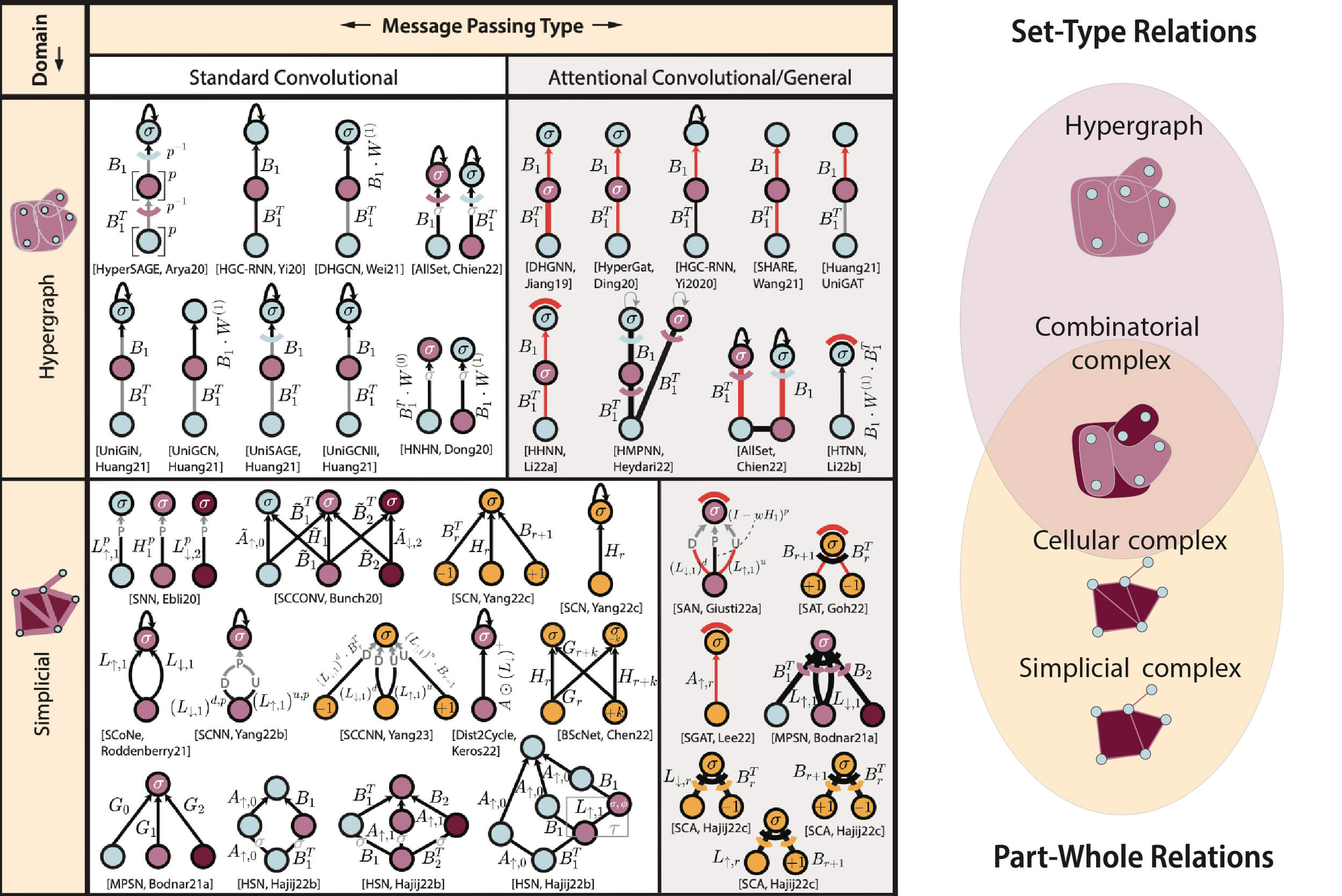
We study the properties of top-performing AI models and design mathematical approaches to improve them. Learn more.
Geometric Intelligence in Brains
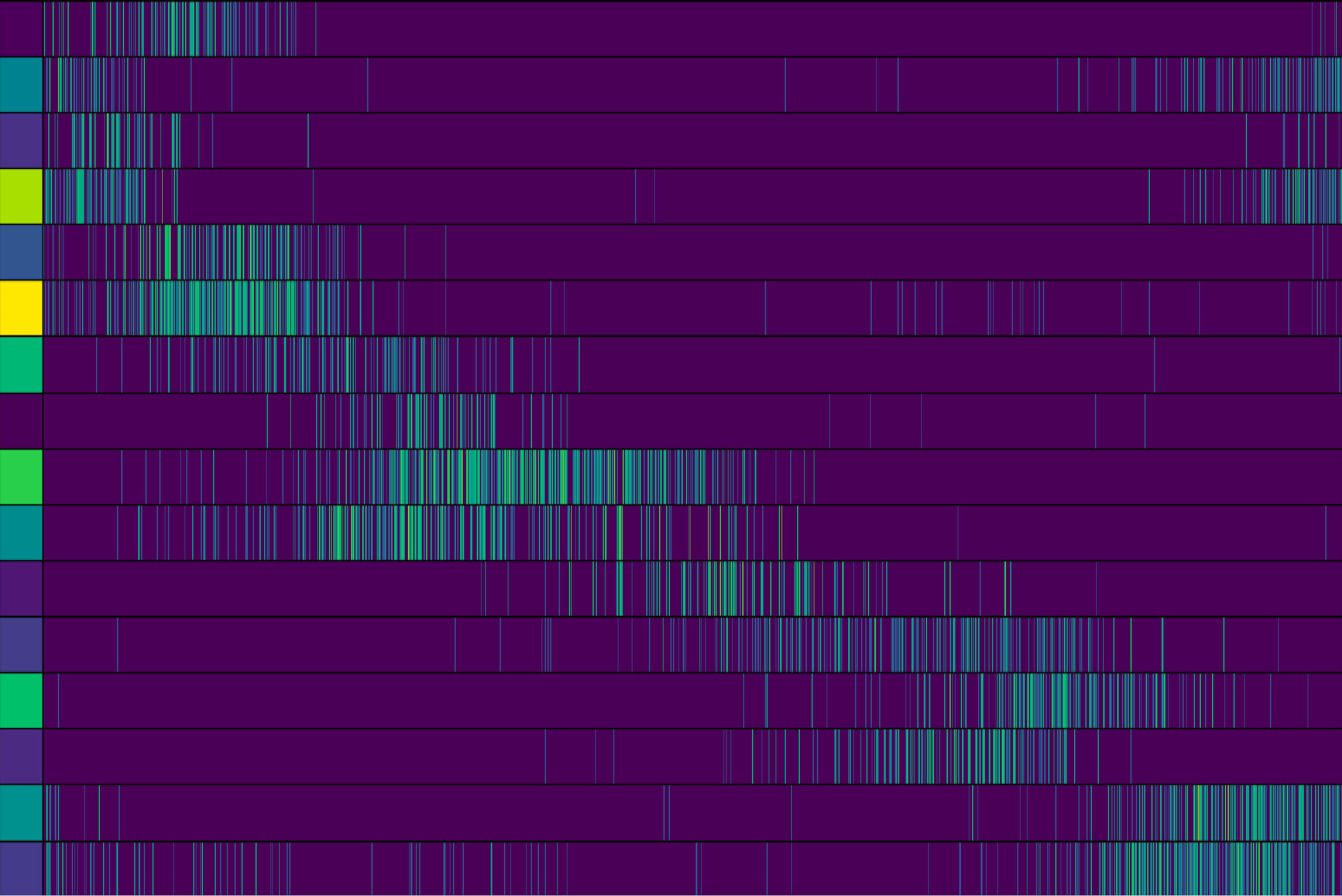
We study patterns of neural activity across diverse cognitive functions—from navigation and memory to vision. Learn more.
Building Brain Digital Twins
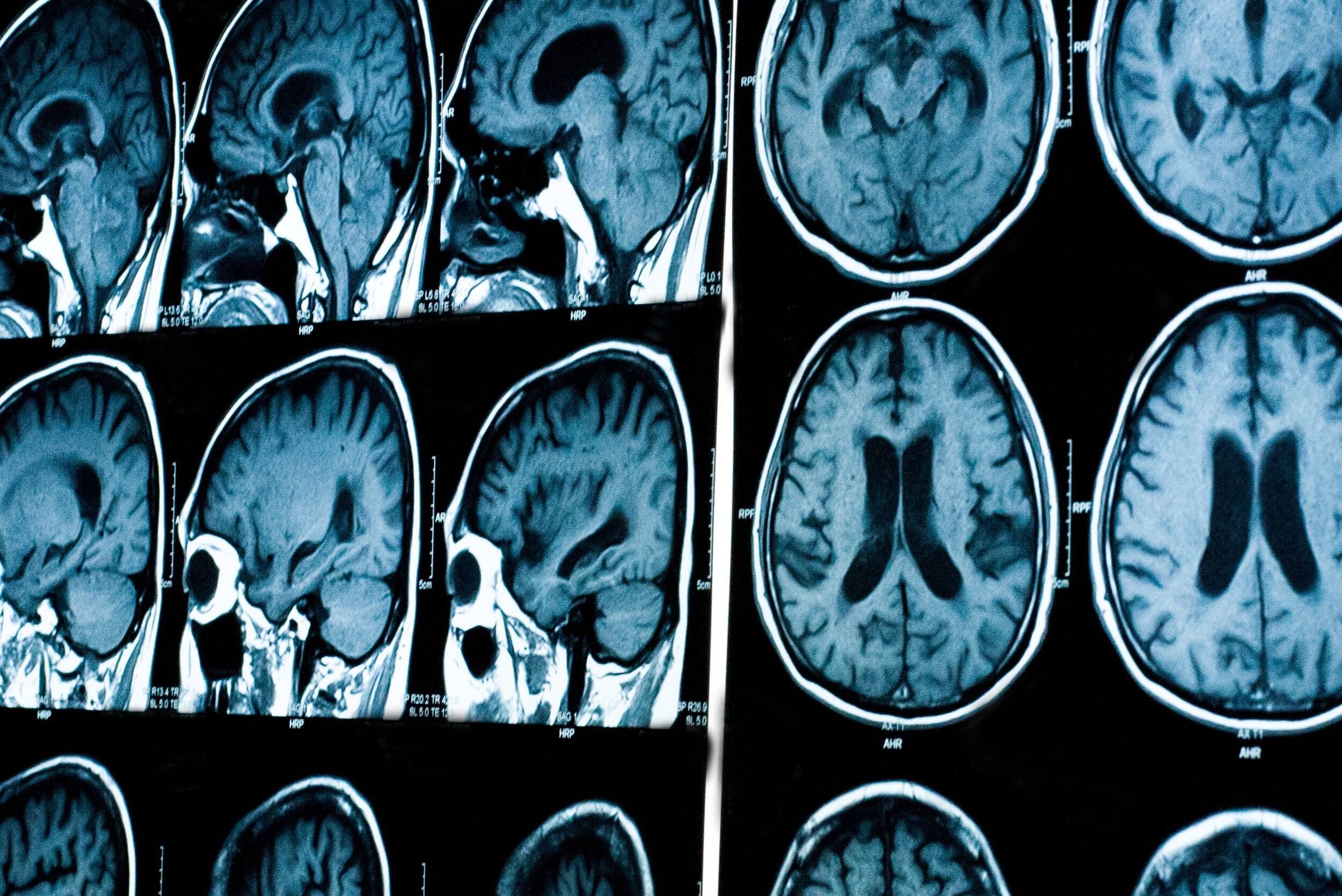
We use AI models to build digital twins of the brain, simulating its function in both health and disease. Learn more.
Latest News

Nina Miolane Awarded a Faculty Research Grant by the Academic Senate
Nina Miolane, PI of the Geometric Intelligence Lab, is recognized by UCSB Academic Senate for the scholarly excellence of the Lab!
This grant, provided by the chancellor, will allow the team to develop novel methodology that can reveal brain anatomical changes across important life events, e.g. through aging, menopause, among many others.
Read MoreNina Miolane Awarded a Faculty Research Grant by the Academic Senate
Nina Miolane named Hellman Fellow
Nina Miolane was named a 2023 Hellman Fellow. The Hellman Fellows Fund, founded by Chris and Warren Hellman in 1994, provides support to promising junior faculty in the earliest stages of their academic career. The award supports emerging leaders across the University of California, the American Academy of Arts and Sciences, Stanford University, Harvard Business School and Williams College.
Read MoreNina Miolane named Hellman Fellow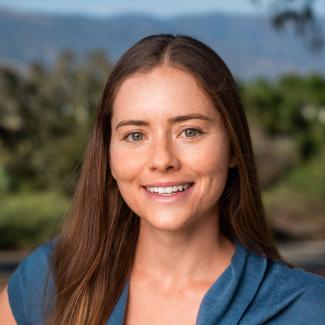
Adele Myers Receives the Prestigious NSF Graduate Research Fellowship (GRFP)
Adele Myers, Ph.D. in the Geometric Intelligence Lab, has been awarded the prestigious NSF GRFP fellowship. She will receive 3 years of funding to develop novel cutting-edge methodology to analyze biological shapes.
This award recognizes her as an outstanding graduate student & high-achieving early career scientist!
Read MoreAdele Myers Receives the Prestigious NSF Graduate Research Fellowship (GRFP)