We use mathematics to unify the study of intelligence in brains and machines.
In neuroscience, we still don’t know how large populations of neurons give rise to perception, memory, and learning. In AI/ML, we face significant challenges to understand systems of our own making, leaving them hard to control and trust.
Our lab's hypothesis is that we lack appropriate mathematics that reveals the principles of intelligence in brains and machines. Our research develops the missing framework, uses it to formalize a theory of intelligence across substrates, and builds it into novel artificial neural networks to deliver superior performance without necessarily scaling data, parameters, or compute.
Geometric Intelligence Research
Just as physicists used geometry to build unification theories, we show that brain and machine intelligences can be studied under a common mathematical framework: geometric intelligence.
Geometric Intelligence in Machines
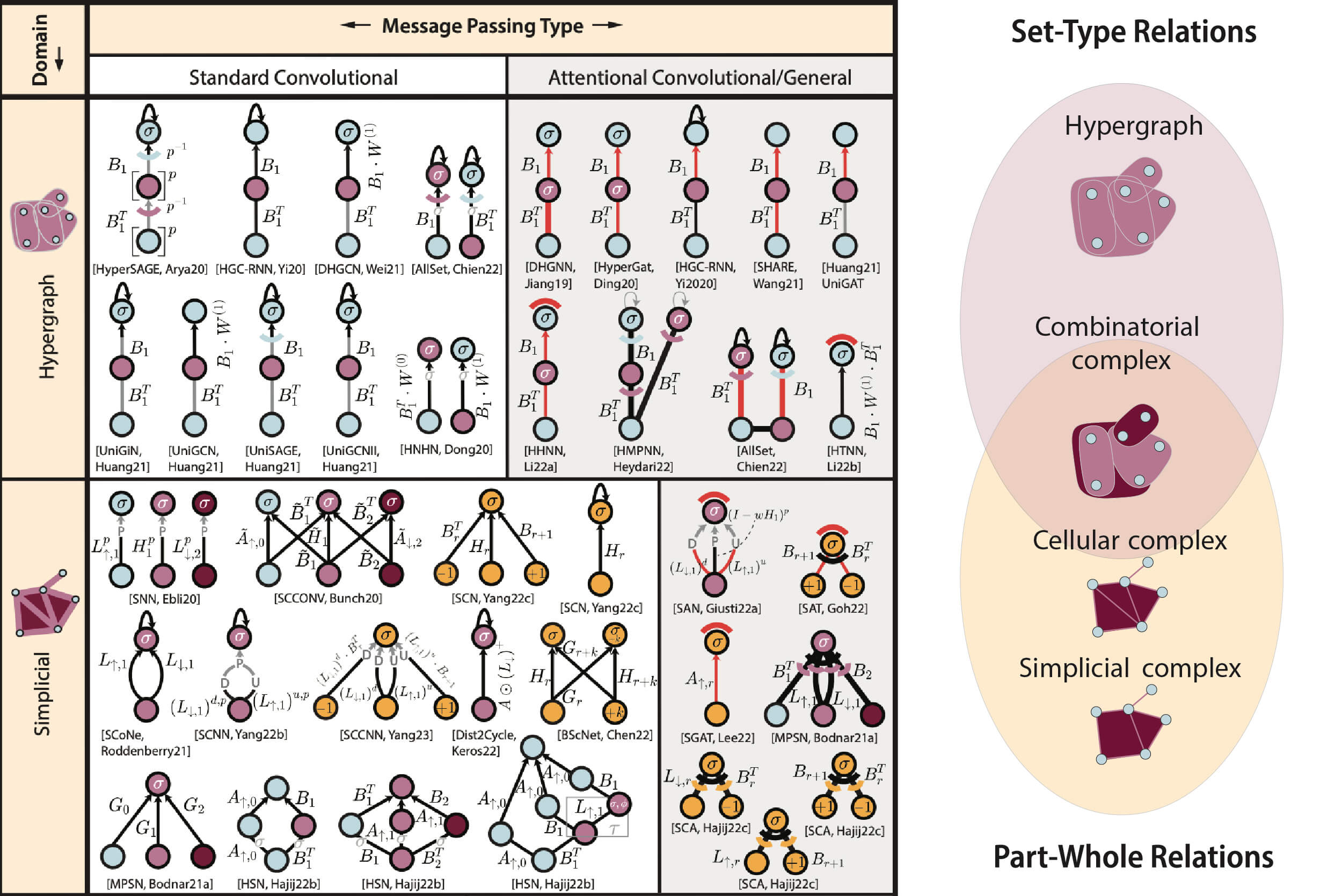
We study the properties of top-performing AI models and design mathematical approaches to improve them. Learn more.
Geometric Intelligence in Brains
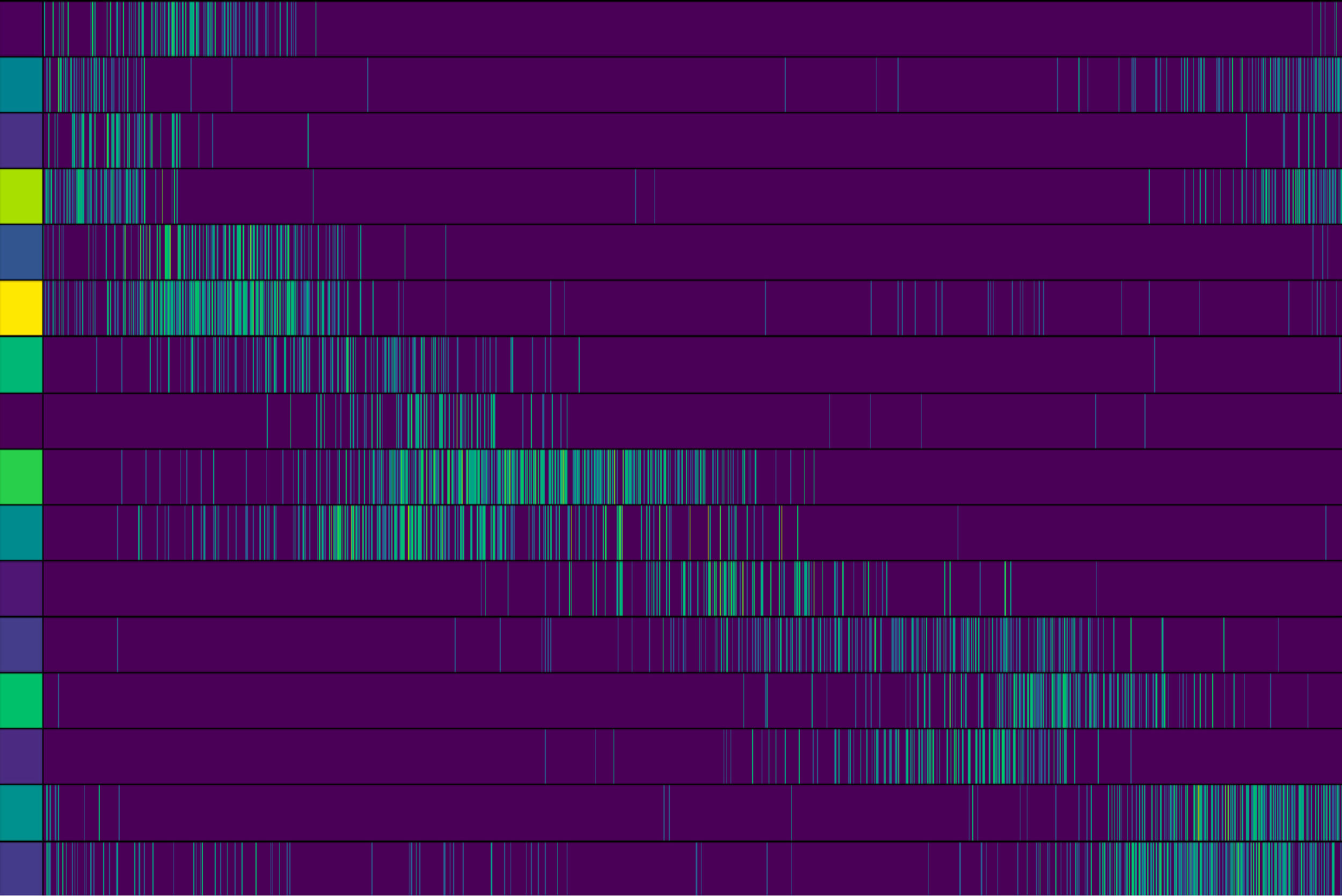
We study patterns of neural activity across diverse cognitive functions—from navigation and memory to vision. Learn more.
Building Brain Digital Twins
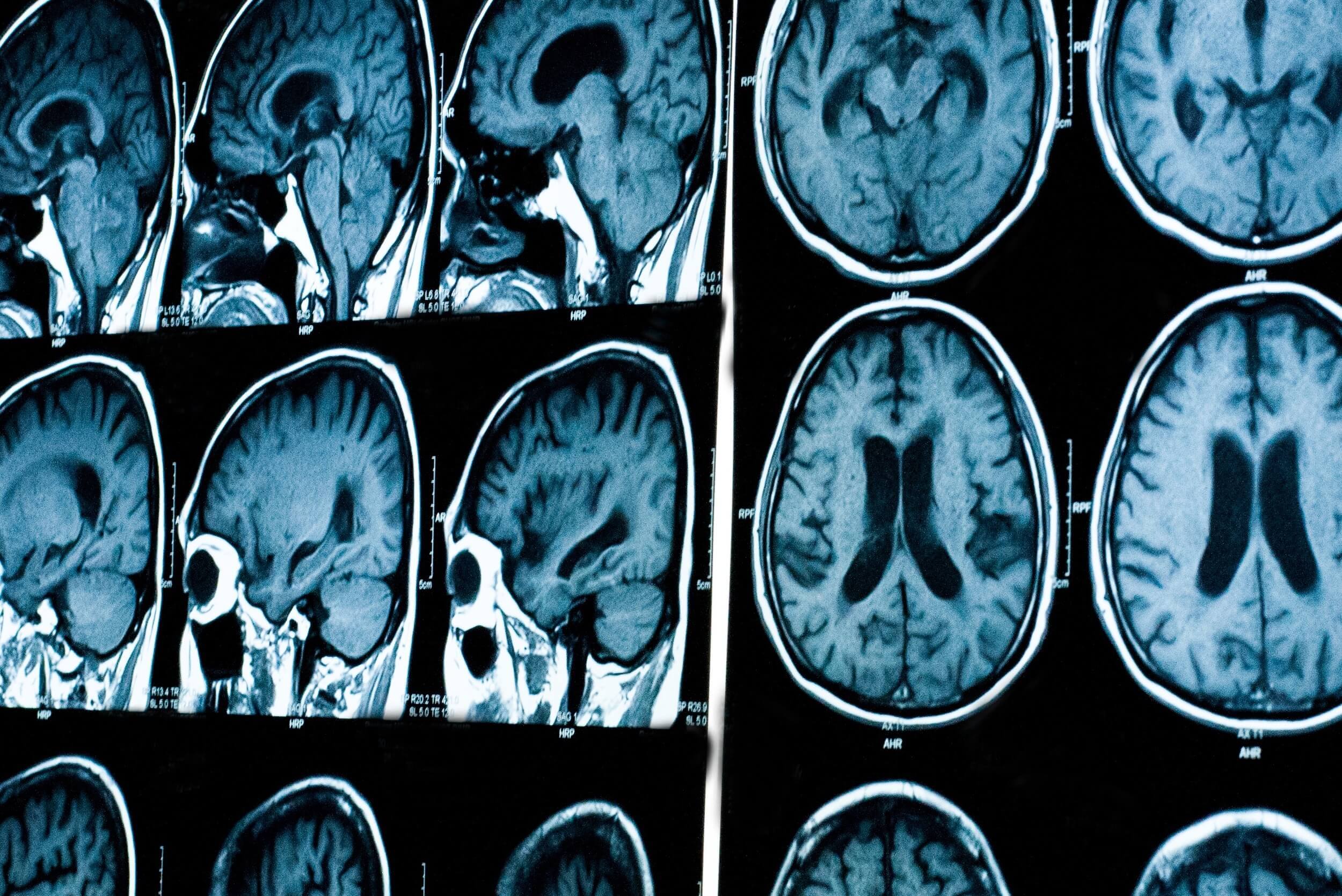
We use AI models to build digital twins of the brain, simulating its function in both health and disease. Learn more.
Latest News

Sophia Sanborn Receives the Prestigious PIMS-Simons Fellowship!
Sophia Sanborn, postdoctoral fellow in the Geometric Intelligence Lab, has been awarded the prestigious PIMS-Simons fellowship from the Pacific Institute for Mathematical Sciences and the Simons Foundation.
This fellowship recognizes her as an "outstanding young researcher in the mathematical sciences”!
Read MoreSophia Sanborn Receives the Prestigious PIMS-Simons Fellowship!
Adele Myers Gives an Eye-Opening Public Lecture in Santa Barbara!
50% of the world's population experiences menstrual cycles, pregnancy, and menopause. 85% of females aged 18-64 have used contraceptives. Yet, only a small fraction of research has been dedicated to understanding how these processes impact the female brain. This lack of attention to female health is surprising, especially considering the increased risk of neurological conditions such as Alzheimer's, migraines, and multiple sclerosis in women.
Read MoreAdele Myers Gives an Eye-Opening Public Lecture in Santa Barbara!
Adele Myers is Interviewed by the Machine Learning Street Talks Podcast @ NeurIPS
Adele Myers, Ph.D. student in the Geometric Intelligence Lab, is featured in the renowned Machine Learning Street Talks Podcast Series at NeurIPS 2022 for her work: "Regression-Based Elastic Metric Learning on Shape Spaces of Elastic Curves" with Nina Miolane. Watch her interview here!
Read MoreAdele Myers is Interviewed by the Machine Learning Street Talks Podcast @ NeurIPS