We use mathematics to unify the study of intelligence in brains and machines.
In neuroscience, we still don’t know how large populations of neurons give rise to perception, memory, and learning. In AI/ML, we face significant challenges to understand systems of our own making, leaving them hard to control and trust.
Our lab's hypothesis is that we lack appropriate mathematics that reveals the principles of intelligence in brains and machines. Our research develops the missing framework, uses it to formalize a theory of intelligence across substrates, and builds it into novel artificial neural networks to deliver superior performance without necessarily scaling data, parameters, or compute.
Geometric Intelligence Research
Just as physicists used geometry to build unification theories, we show that brain and machine intelligences can be studied under a common mathematical framework: geometric intelligence.
Geometric Intelligence in Machines
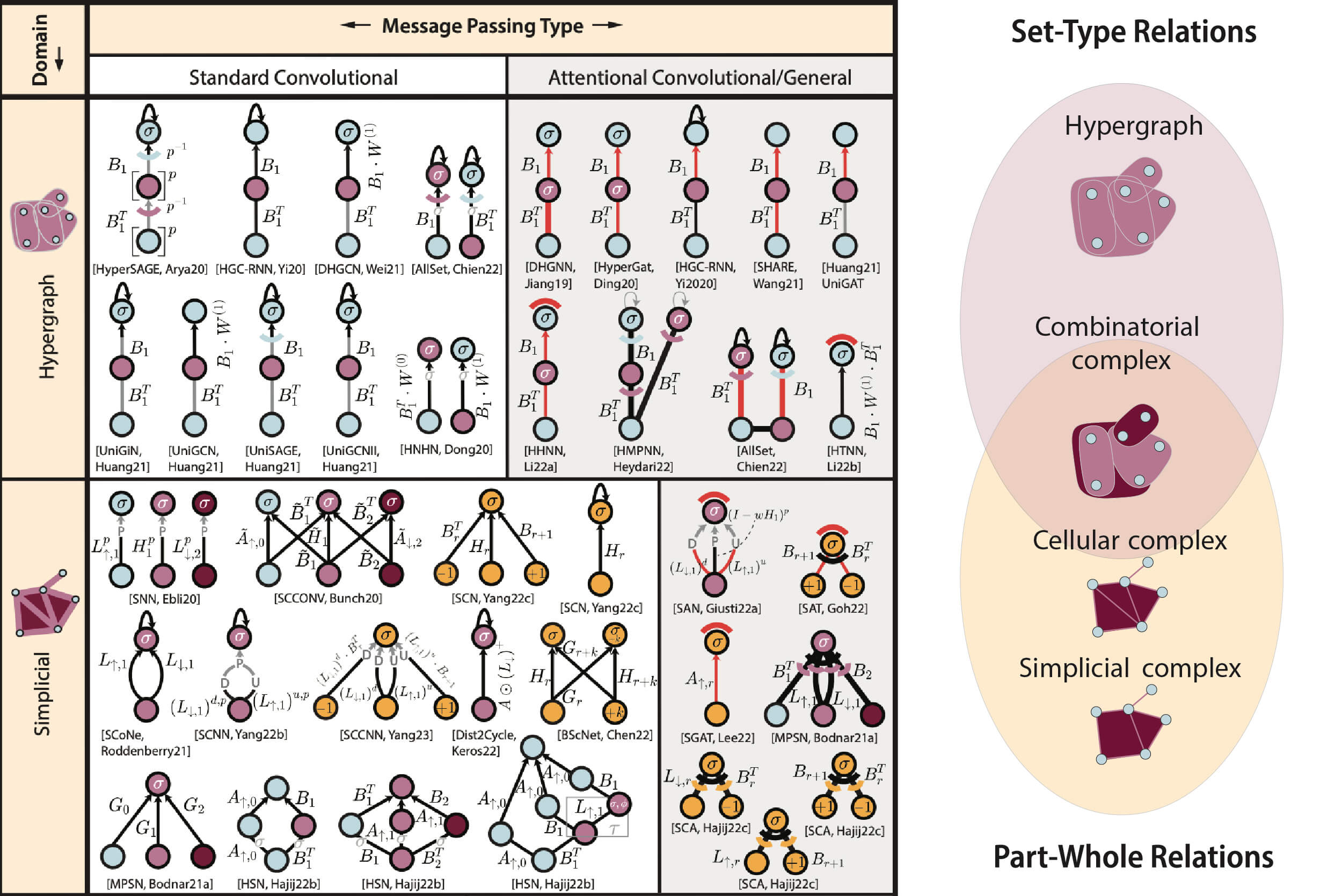
We study the properties of top-performing AI models and design mathematical approaches to improve them. Learn more.
Geometric Intelligence in Brains
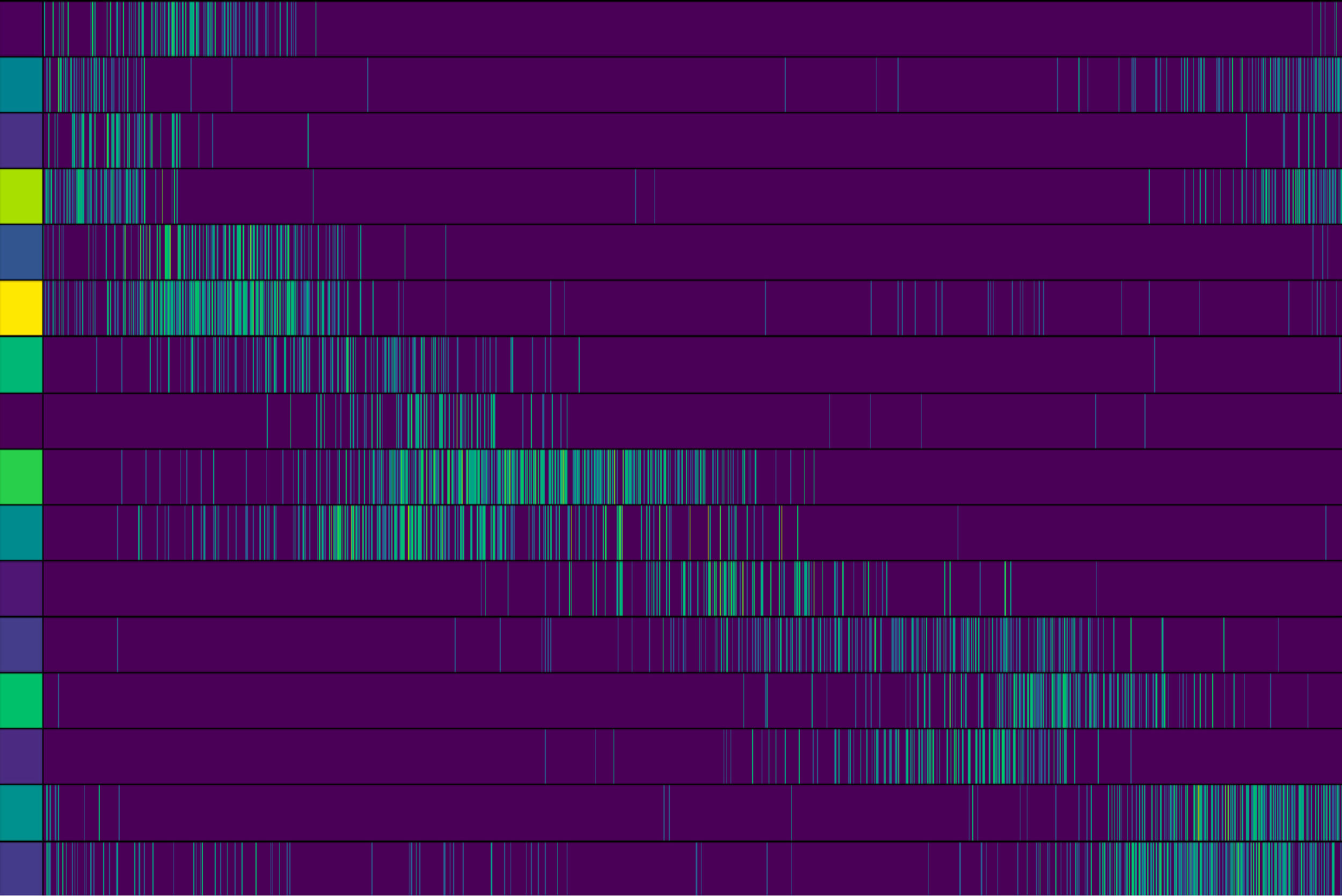
We study patterns of neural activity across diverse cognitive functions—from navigation and memory to vision. Learn more.
Building Brain Digital Twins
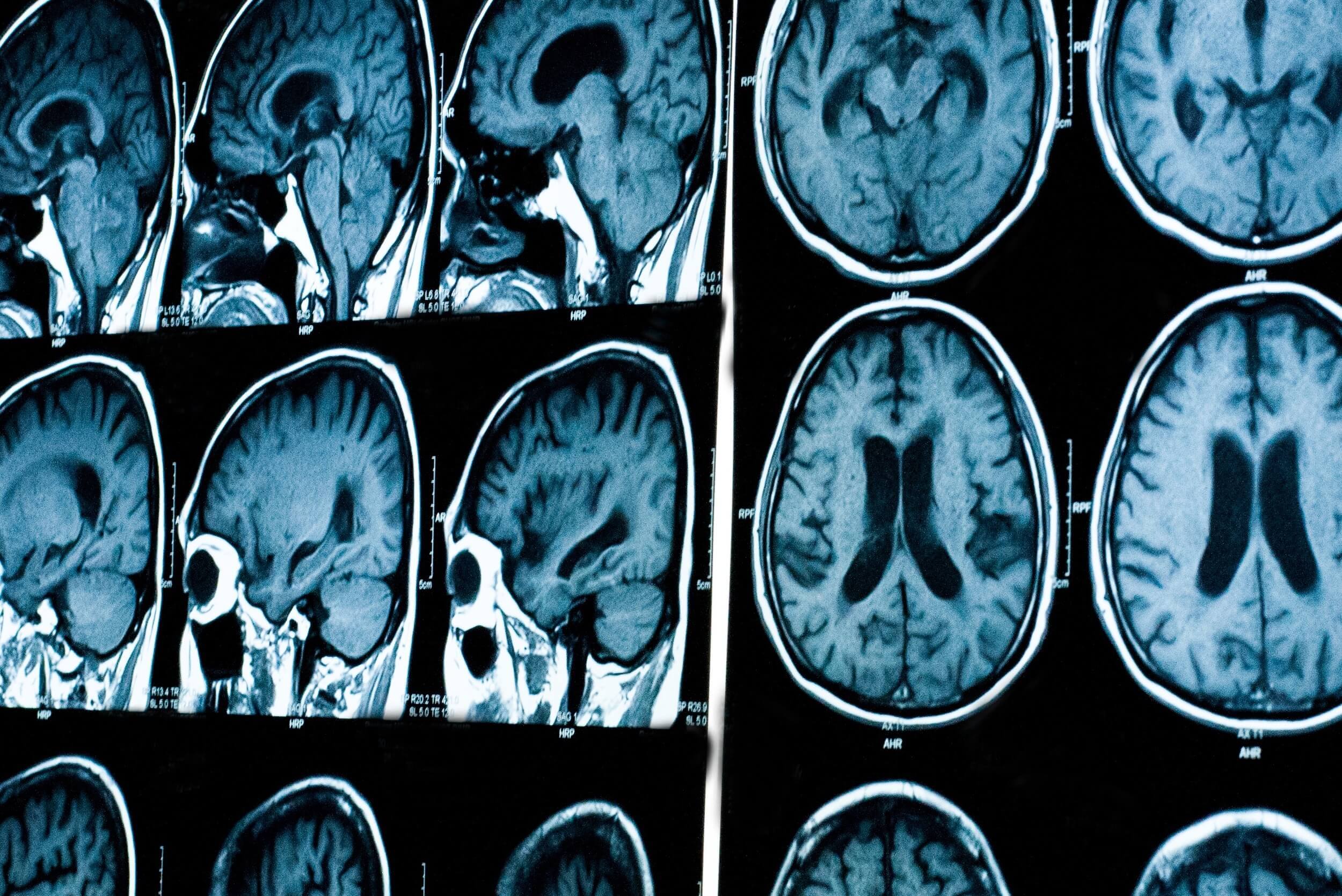
We use AI models to build digital twins of the brain, simulating its function in both health and disease. Learn more.
Latest News

Our Research on Brain Sex Differences is Featured in Nature
Our research, titled "The progression of sex differences in brain networks across the lifespan," reveals that while boys and girls start with remarkably similar brain structures, a profound divergence occurs during the onset of puberty – shaping the brain's functional and structural networks well into adulthood.
Read MoreOur Research on Brain Sex Differences is Featured in Nature
UCSB Ranks #1 Among U.S. Public Universities for Scientific Impact
UCSB has once again solidified its status as a global powerhouse in engineering and the physical sciences, ranking as the #1 public university in the U.S. for scientific impact according to the 2025 Leiden Rankings (Open Edition). Released by the Centre for Science and Technology Studies (CWTS) at Leiden University, the analysis placed UCSB 7th worldwide and 3rd among all U.S. institutions, trailing only MIT and Harvard in engineering and physical sciences category.
Read MoreUCSB Ranks #1 Among U.S. Public Universities for Scientific Impact
The Transmitter Features Our AI-Powered Dementia Research
Dr. Nina Miolane was recently featured in an article by The Transmitter exploring how neuroscientists are integrating large language models into their research workflows. The article highlight's PhD student Louisa Cornelis' work using explainable graph neural networks and LLM-assisted literature analysis to study frontotemporal degeneration (FTD), leveraging large-scale proteomics data to predict future cognitive decline and identify molecular drivers of disease.
Read MoreThe Transmitter Features Our AI-Powered Dementia Research