We use mathematics to unify the study of intelligence in brains and machines.
In neuroscience, we still don’t know how large populations of neurons give rise to perception, memory, and learning. In AI/ML, we face significant challenges to understand systems of our own making, leaving them hard to control and trust.
Our lab's hypothesis is that we lack appropriate mathematics that reveals the principles of intelligence in brains and machines. Our research develops the missing framework, uses it to formalize a theory of intelligence across substrates, and builds it into novel artificial neural networks to deliver superior performance without necessarily scaling data, parameters, or compute.
Geometric Intelligence Research
Just as physicists used geometry to build unification theories, we show that brain and machine intelligences can be studied under a common mathematical framework: geometric intelligence.
Geometric Intelligence in Machines
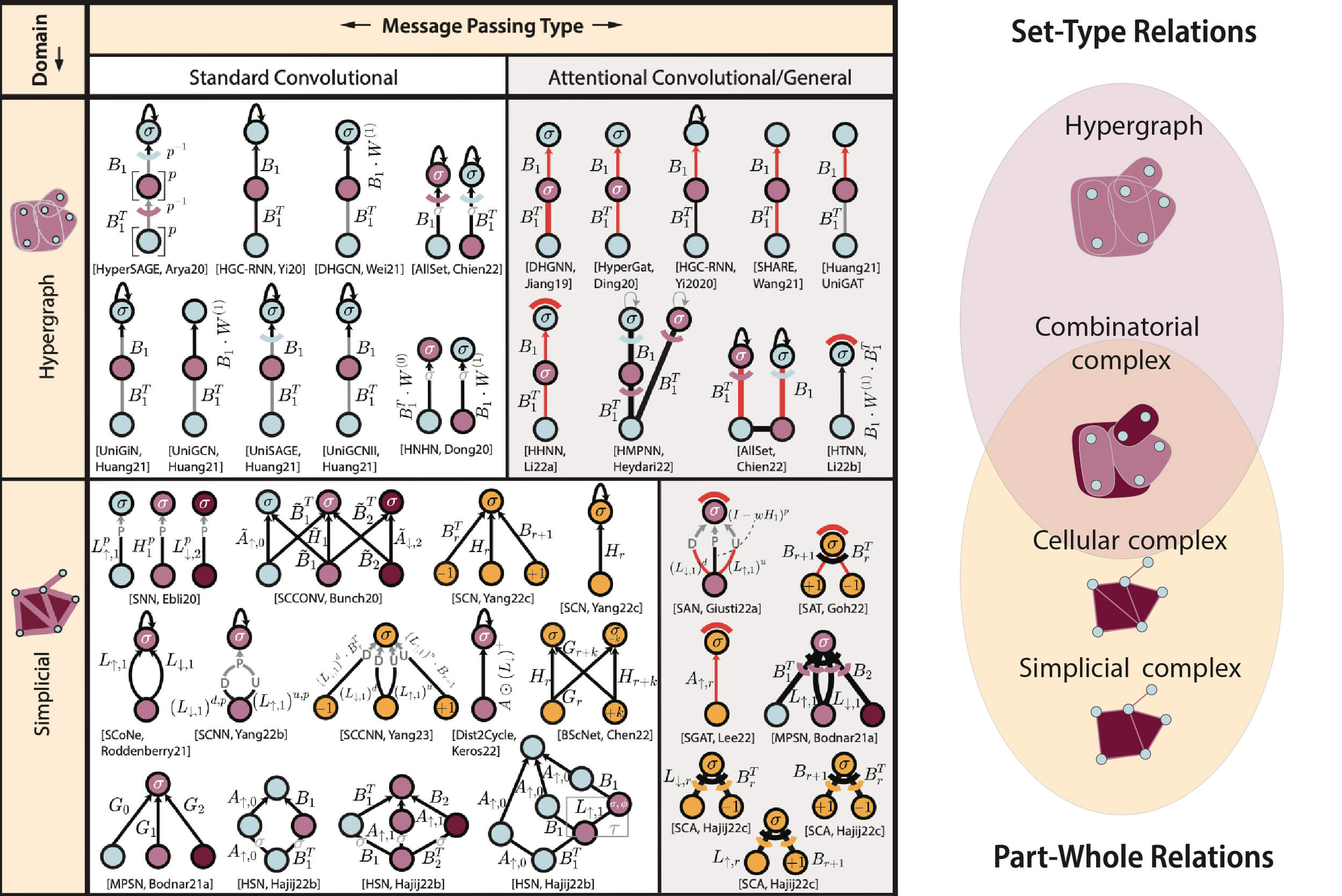
We study the properties of top-performing AI models and design mathematical approaches to improve them. Learn more.
Geometric Intelligence in Brains
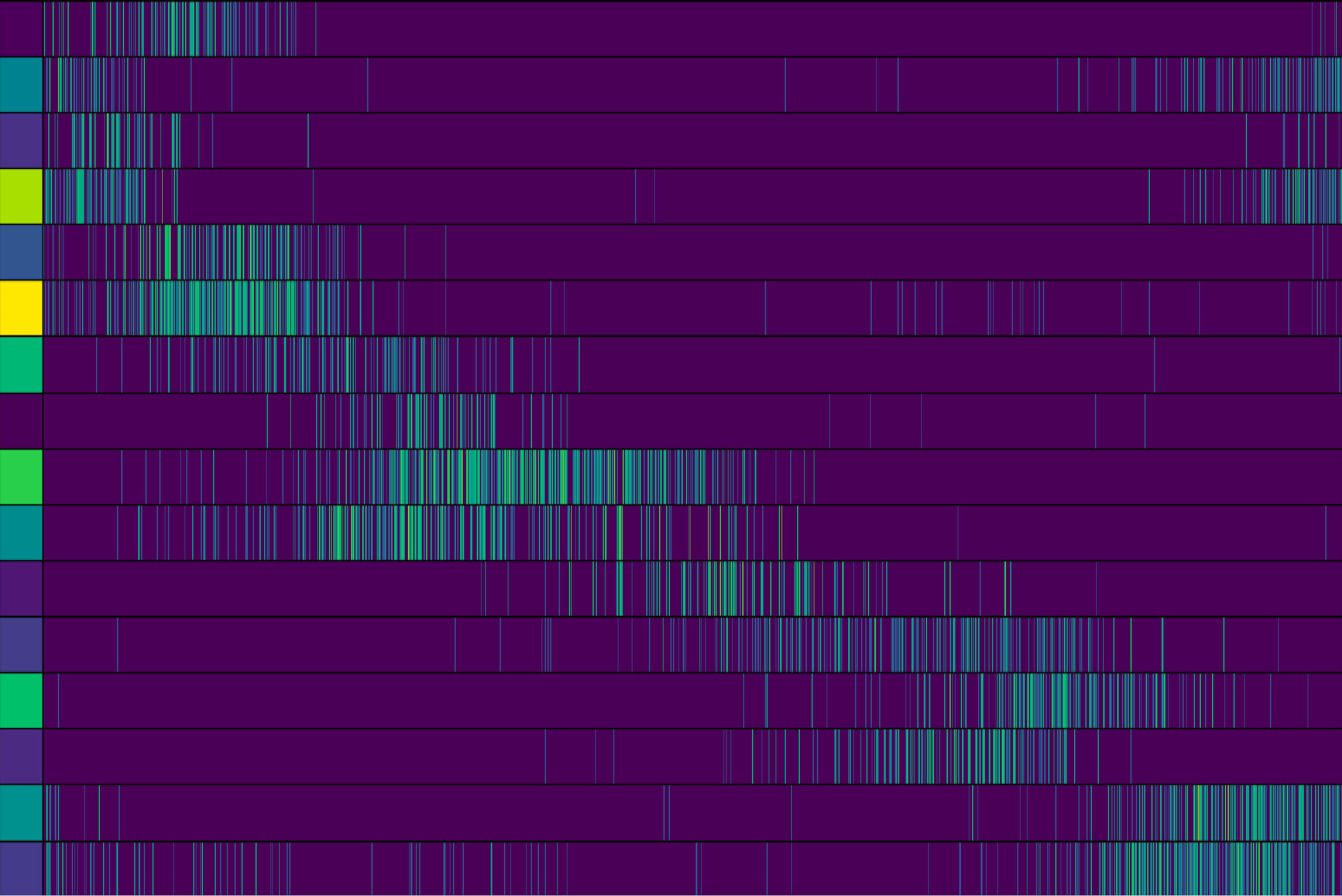
We study patterns of neural activity across diverse cognitive functions—from navigation and memory to vision. Learn more.
Building Brain Digital Twins
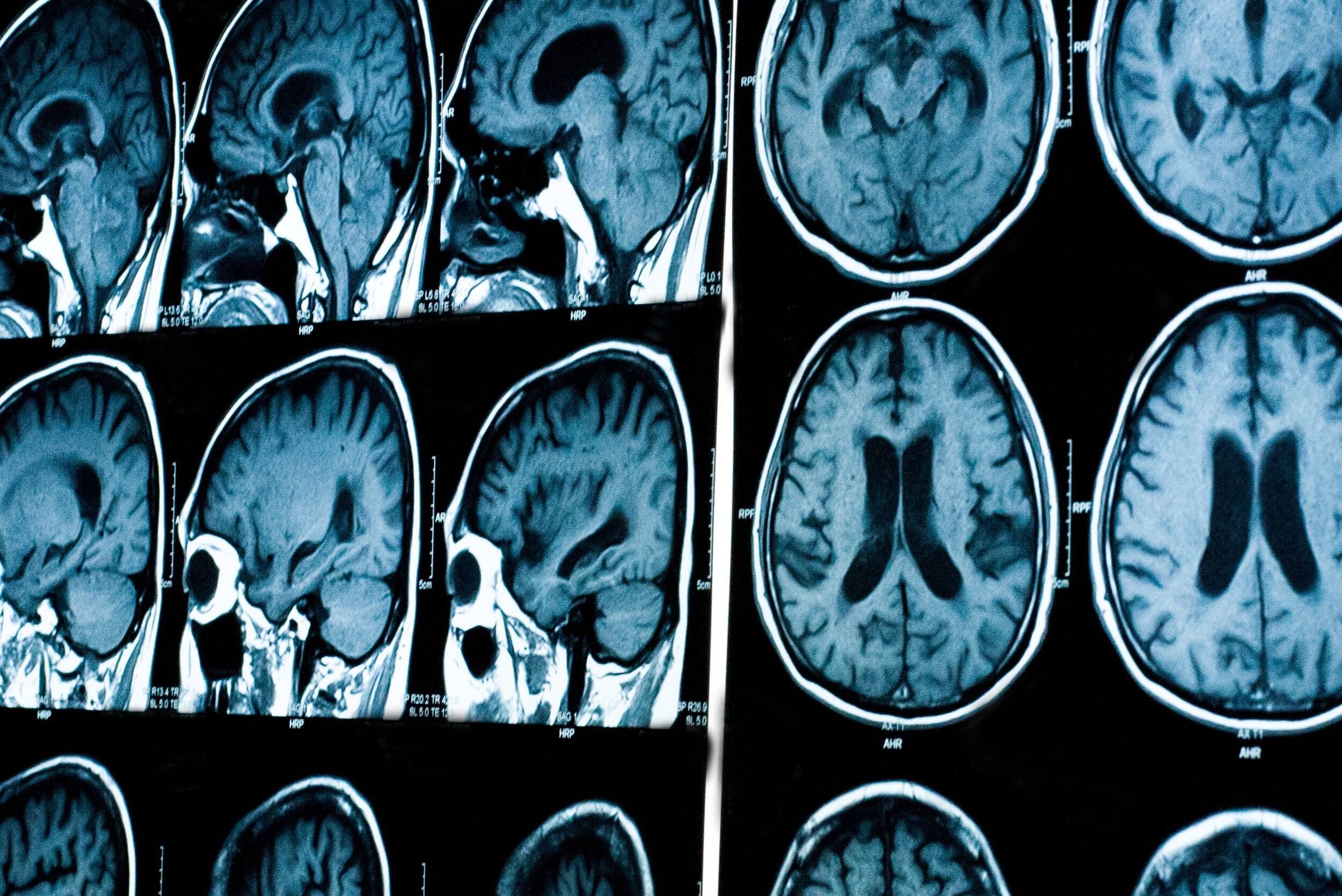
We use AI models to build digital twins of the brain, simulating its function in both health and disease. Learn more.
Latest News
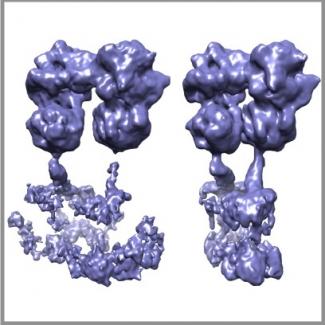
We Are Awarded a NIH R01 Grant for Biological Shape Reconstruction
We are excited and honored that our group was awarded a NIH R01 grant for the introduction of geometric and deep learning methods to enhance 3D biological shape reconstruction. We aim to reveal the shapes of membrane proteins, these biomolecules targeted by over 50% of the pharmaceutical drugs, yet still difficult to image.
Read MoreWe Are Awarded a NIH R01 Grant for Biological Shape Reconstruction
We Are Awarded the NSF SCALE MoDL Grant on Mathematical and Scientific Foundations of Deep Learning
We are excited and honored that our group was awarded the NSF SCALE MoDL Grant "Stimulating Collaborative Advances Leveraging Expertise in the Mathematical and Scientific Foundations of Deep Learning". We aim to provide a unified geometric and topological framework grounded in cell complex neural networks to explain and enhance deep learning architectures, with applications to biological shape analysis.
Read MoreWe Are Awarded the NSF SCALE MoDL Grant on Mathematical and Scientific Foundations of Deep Learning
We win the 1st Prize in the C3.ai Covid-19 Grand Challenge!
In the C3.ai COVID-19 Grand Challenge, developers, data scientists, students, and creative minds around the world developed meaningful data-driven insights to inform decision makers and change how the world is fighting this pandemic.
Our solution "Modeling Population Heterogeneity by Providing Personalized Covid-19 Diagnostics" with C. Donnat and F. Bunbury won the first prize of $100,000!
Read MoreWe win the 1st Prize in the C3.ai Covid-19 Grand Challenge!