We use mathematics to unify the study of intelligence in brains and machines.
In neuroscience, we still don’t know how large populations of neurons give rise to perception, memory, and learning. In AI/ML, we face significant challenges to understand systems of our own making, leaving them hard to control and trust.
Our lab's hypothesis is that we lack appropriate mathematics that reveals the principles of intelligence in brains and machines. Our research develops the missing framework, uses it to formalize a theory of intelligence across substrates, and builds it into novel artificial neural networks to deliver superior performance without necessarily scaling data, parameters, or compute.
Geometric Intelligence Research
Just as physicists used geometry to build unification theories, we show that brain and machine intelligences can be studied under a common mathematical framework: geometric intelligence.
Geometric Intelligence in Machines
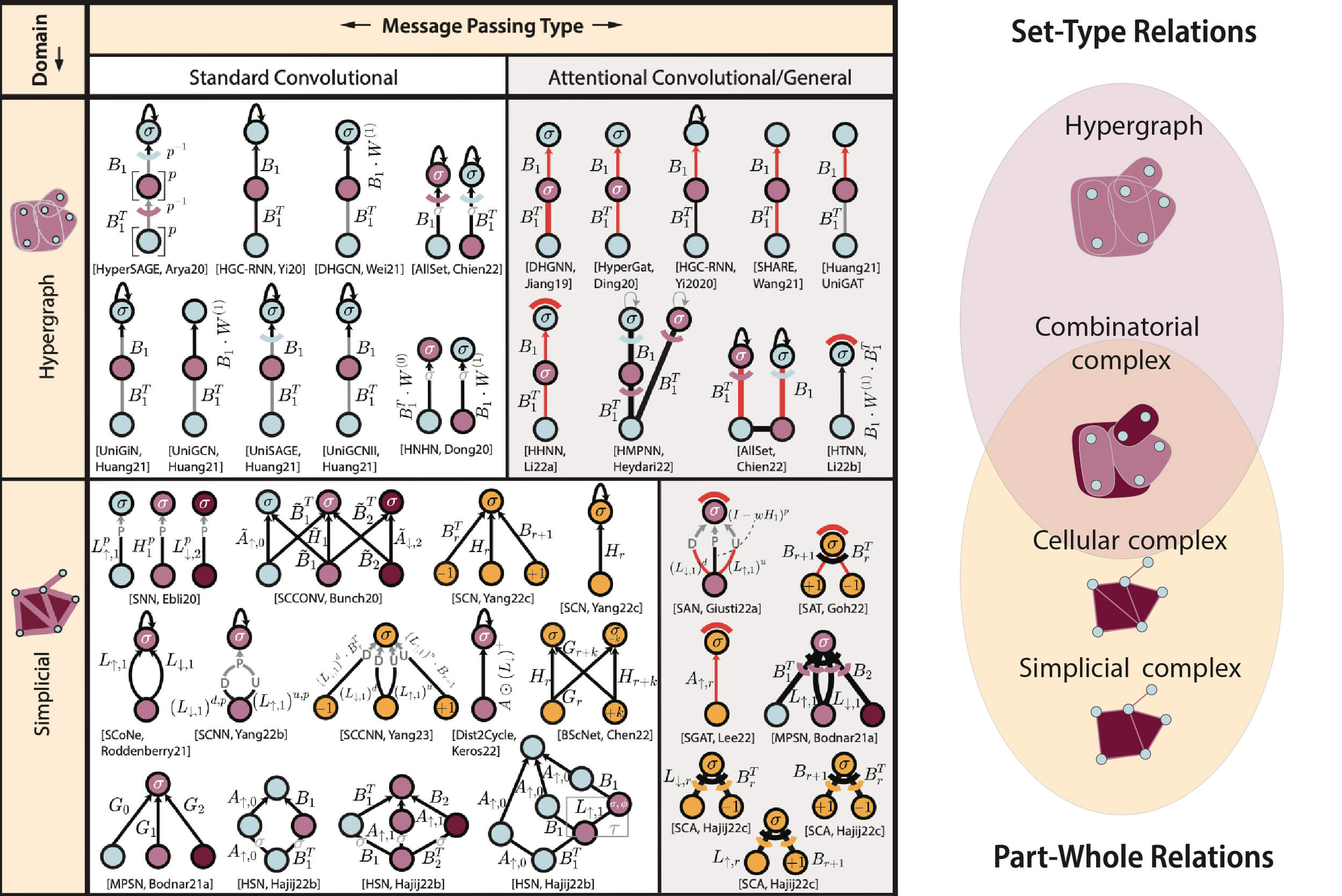
We study the properties of top-performing AI models and design mathematical approaches to improve them. Learn more.
Geometric Intelligence in Brains
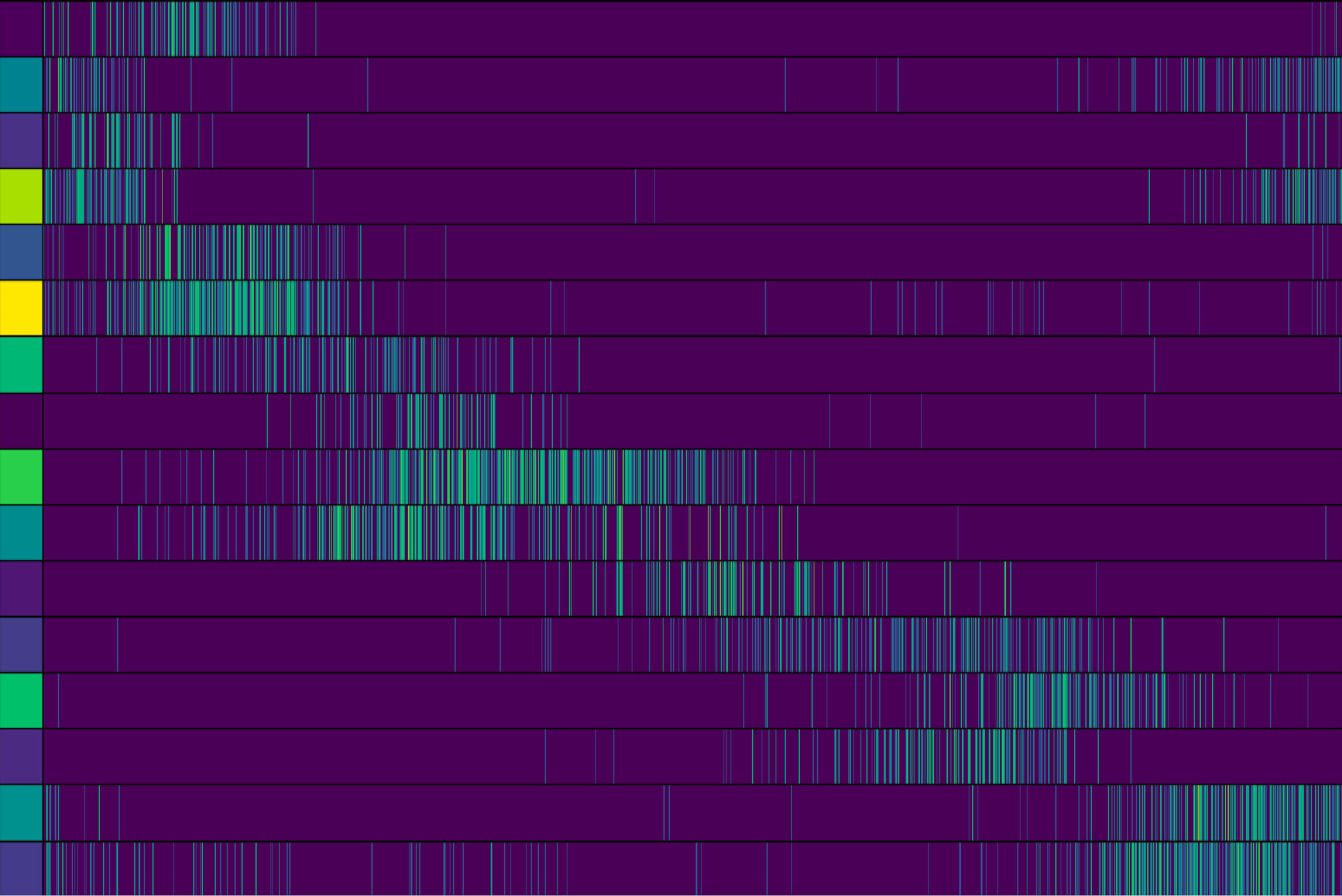
We study patterns of neural activity across diverse cognitive functions—from navigation and memory to vision. Learn more.
Building Brain Digital Twins
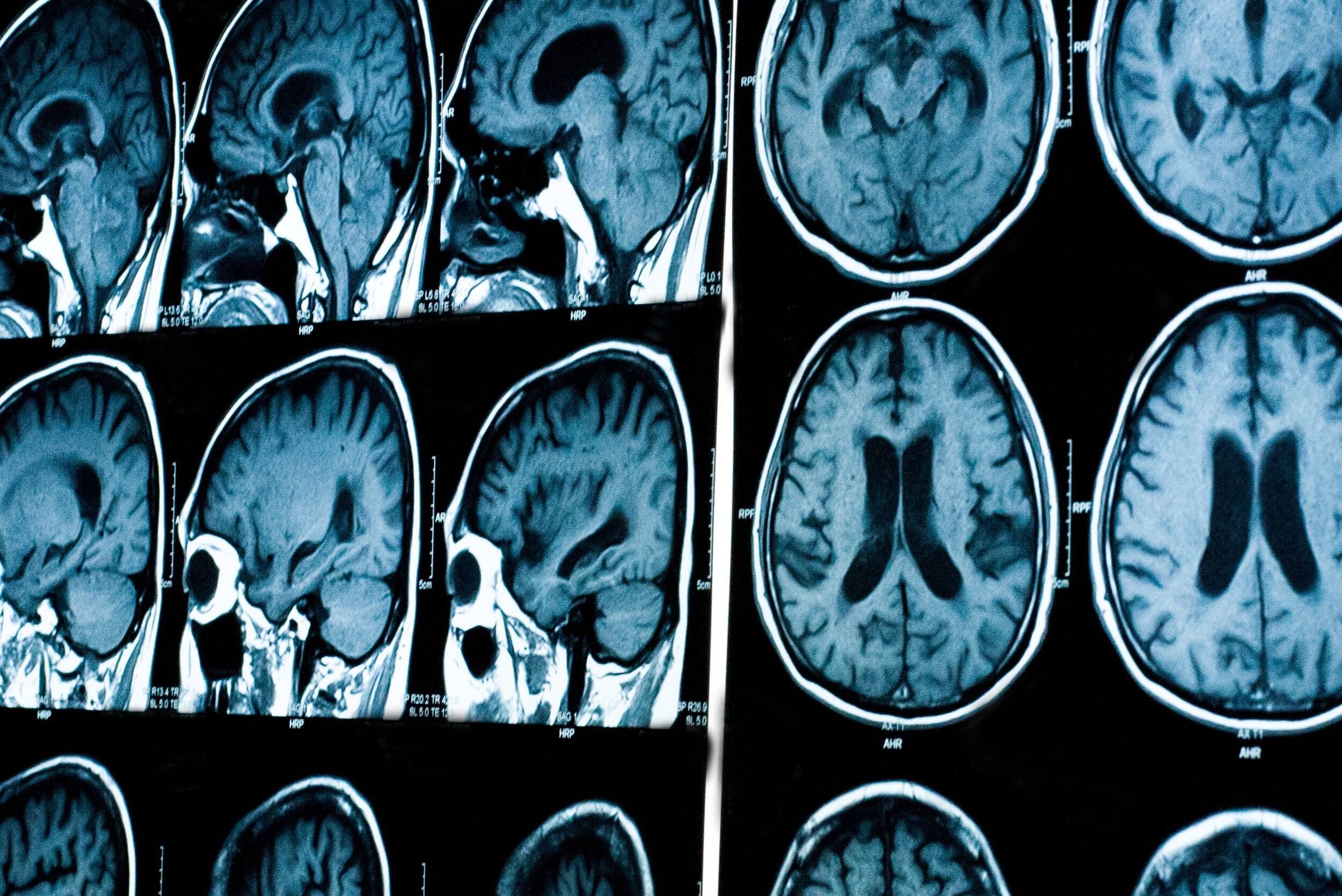
We use AI models to build digital twins of the brain, simulating its function in both health and disease. Learn more.
Latest News
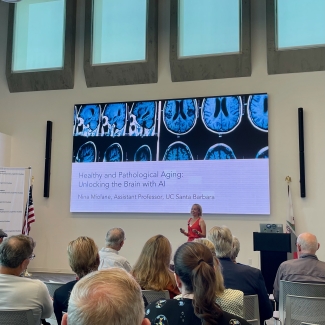
Nina Miolane Gives Public Lecture at the Center for Aging and Longevity Studies
Dr. Nina Miolane, Assistant Professor of Electrical & Computer Engineering at UC Santa Barbara, hosted an enlightening lecture on how artifical intelligence can improve our understanding of healthy and pathological aging. Dr. Miolane’s research combines geometric and topological methods with cutting-edge AI techniques like machine learning and deep learning to address key challenges in neuroscience, including Alzheimer's and other neurodegenerative diseases!
Read MoreNina Miolane Gives Public Lecture at the Center for Aging and Longevity Studies
Our Project "An AI Model of the Maternal Brain" is Awarded $1M Funding by the Chan Zuckerberg Initiative
We have been awarded $1M funding from the Chan Zuckerberg Initiative (CZI) to develop an AI model of the maternal brain, offering unprecedented insights into how the brain changes during pregnancy and motherhood.
Read MoreOur Project "An AI Model of the Maternal Brain" is Awarded $1M Funding by the Chan Zuckerberg Initiative
Dr. Nina Miolane Hosts with the Ann S. Bowers Women's Brain Health Initiative in New York
Geometric Intelligence Principal Investigator, Dr. Nina Miolane, recently gave an engaging talk in New York City, hosted by the Ann S. Bowers Women's Brain Health Initiative and The Lower Eastside Girls Club. As a Co-Director of the WBHI AI Core, Dr. Miolane shared her insights on the AI digital twin of the maternal brain, contributing to the event's mission of advancing the study of women's brain health through deeply collaborative science.
Read MoreDr. Nina Miolane Hosts with the Ann S. Bowers Women's Brain Health Initiative in New York