We use mathematics to unify the study of intelligence in brains and machines.
In neuroscience, we still don’t know how large populations of neurons give rise to perception, memory, and learning. In AI/ML, we face significant challenges to understand systems of our own making, leaving them hard to control and trust.
Our lab's hypothesis is that we lack appropriate mathematics that reveals the principles of intelligence in brains and machines. Our research develops the missing framework, uses it to formalize a theory of intelligence across substrates, and builds it into novel artificial neural networks to deliver superior performance without necessarily scaling data, parameters, or compute.
Geometric Intelligence Research
Just as physicists used geometry to build unification theories, we show that brain and machine intelligences can be studied under a common mathematical framework: geometric intelligence.
Geometric Intelligence in Machines
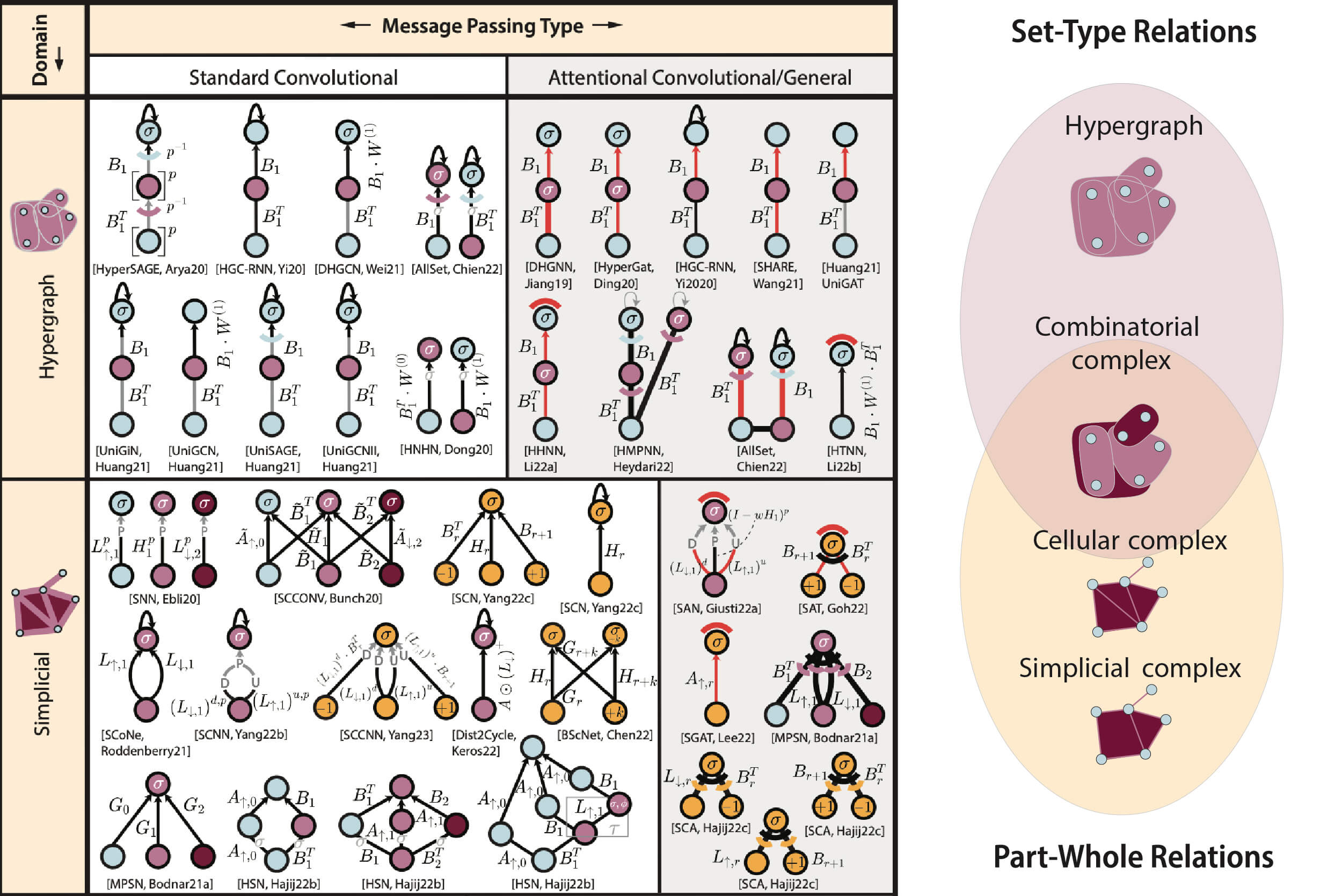
We study the properties of top-performing AI models and design mathematical approaches to improve them. Learn more.
Geometric Intelligence in Brains
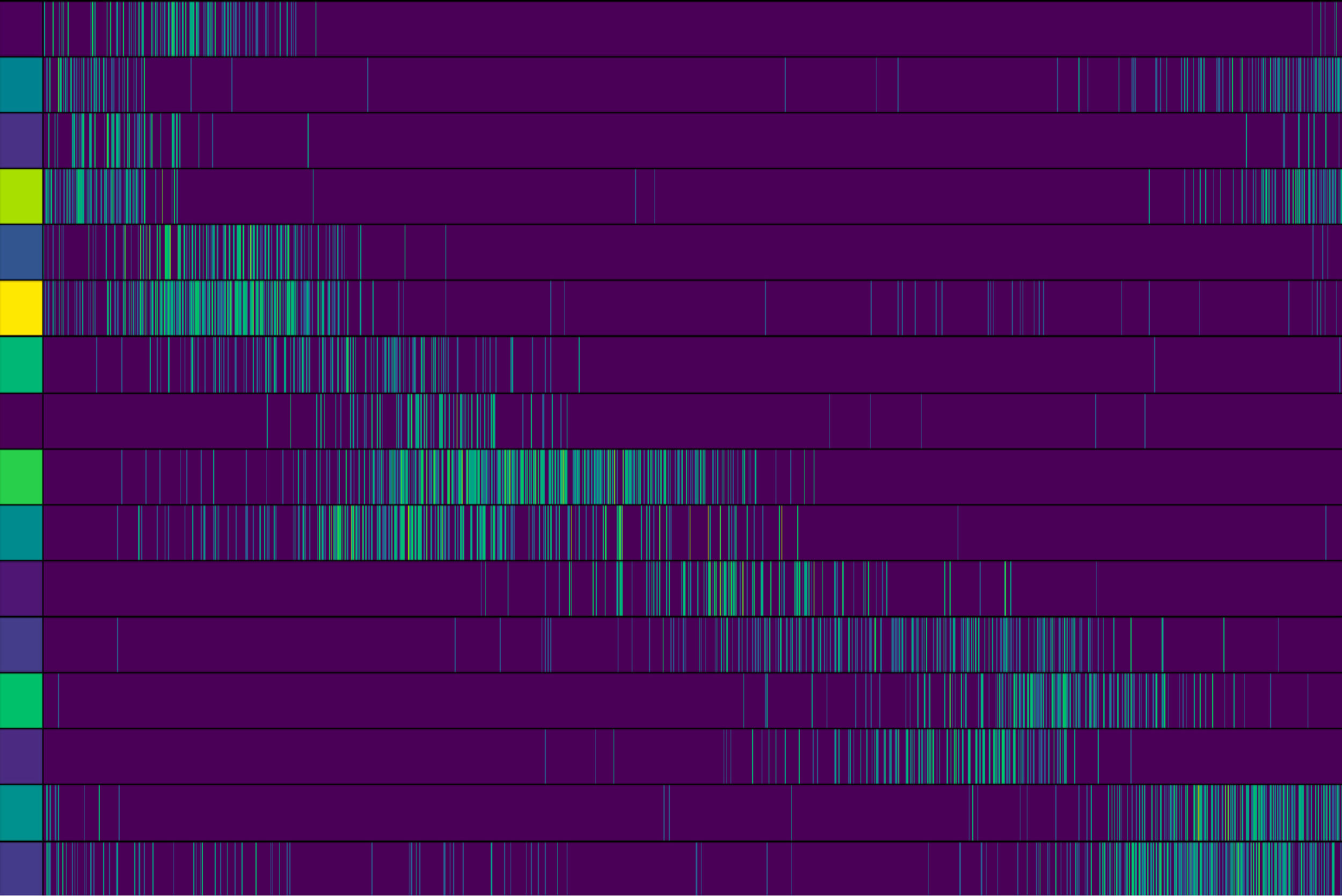
We study patterns of neural activity across diverse cognitive functions—from navigation and memory to vision. Learn more.
Building Brain Digital Twins
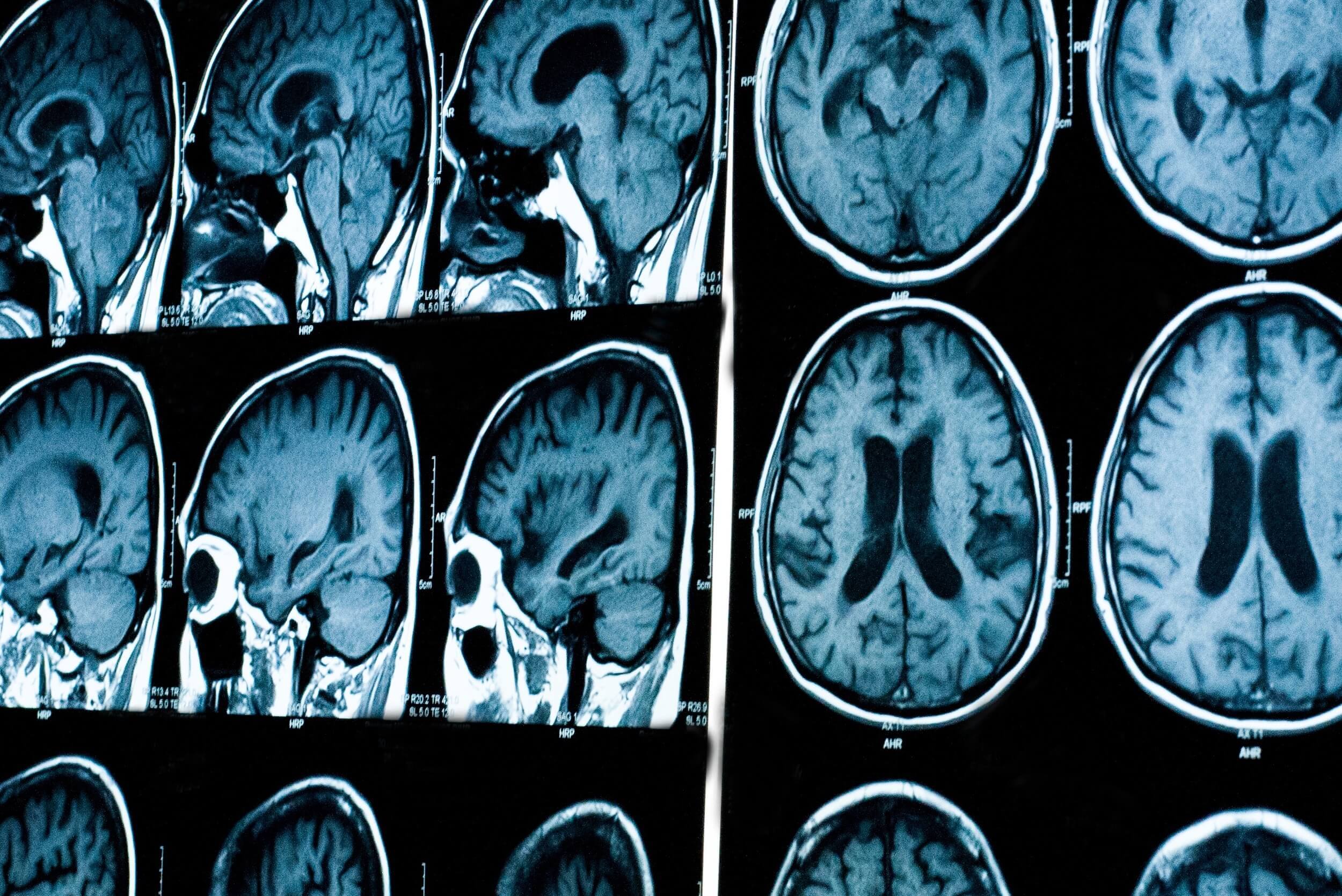
We use AI models to build digital twins of the brain, simulating its function in both health and disease. Learn more.
Latest News

The Transmitter Features Our AI-Powered Dementia Research
Dr. Nina Miolane was recently featured in an article by The Transmitter exploring how neuroscientists are integrating large language models into their research workflows. The article highlight's PhD student Louisa Cornelis' work using explainable graph neural networks and LLM-assisted literature analysis to study frontotemporal degeneration (FTD), leveraging large-scale proteomics data to predict future cognitive decline and identify molecular drivers of disease.
Read MoreThe Transmitter Features Our AI-Powered Dementia Research
Inside Higher Ed Publishes Our OpEd on Scientific Software as a Public Good
Dr. Nina Miolane, principal investigator of Geometric Intelligence Lab, co-authroed a recent op-ed in Inside Higher Ed examining the growing reliance of scientific research on corporate software platforms. The piece argues for treating research software and infrastructure as public goods, calling for sustained investment in open-source tools to ensure equity, reproducibility, and long-term scientific progress.
Read MoreInside Higher Ed Publishes Our OpEd on Scientific Software as a Public Good
The Economist Premieres our Podcast on the Future of Learning in the Age of AI
In lectures halls and classrooms across America, a quiet revolution is underway. Students are using AI to write essays, solve problems, and even make daily decision, while professors scramble to detect cheating with invisible traps. The Economist's former AI reporter, Abby Bertics, PhD student in the Geometric Intelligence Lab, reports from campus about an education system in crisis, and asks what the future might look like as students begin to tap into a tool that can think quicker, write faster, and teach better.
Read MoreThe Economist Premieres our Podcast on the Future of Learning in the Age of AI