We use mathematics to unify the study of intelligence in brains and machines.
In neuroscience, we still don’t know how large populations of neurons give rise to perception, memory, and learning. In AI/ML, we face significant challenges to understand systems of our own making, leaving them hard to control and trust.
Our lab's hypothesis is that we lack appropriate mathematics that reveals the principles of intelligence in brains and machines. Our research develops the missing framework, uses it to formalize a theory of intelligence across substrates, and builds it into novel artificial neural networks to deliver superior performance without necessarily scaling data, parameters, or compute.
Geometric Intelligence Research
Just as physicists used geometry to build unification theories, we show that brain and machine intelligences can be studied under a common mathematical framework: geometric intelligence.
Geometric Intelligence in Machines
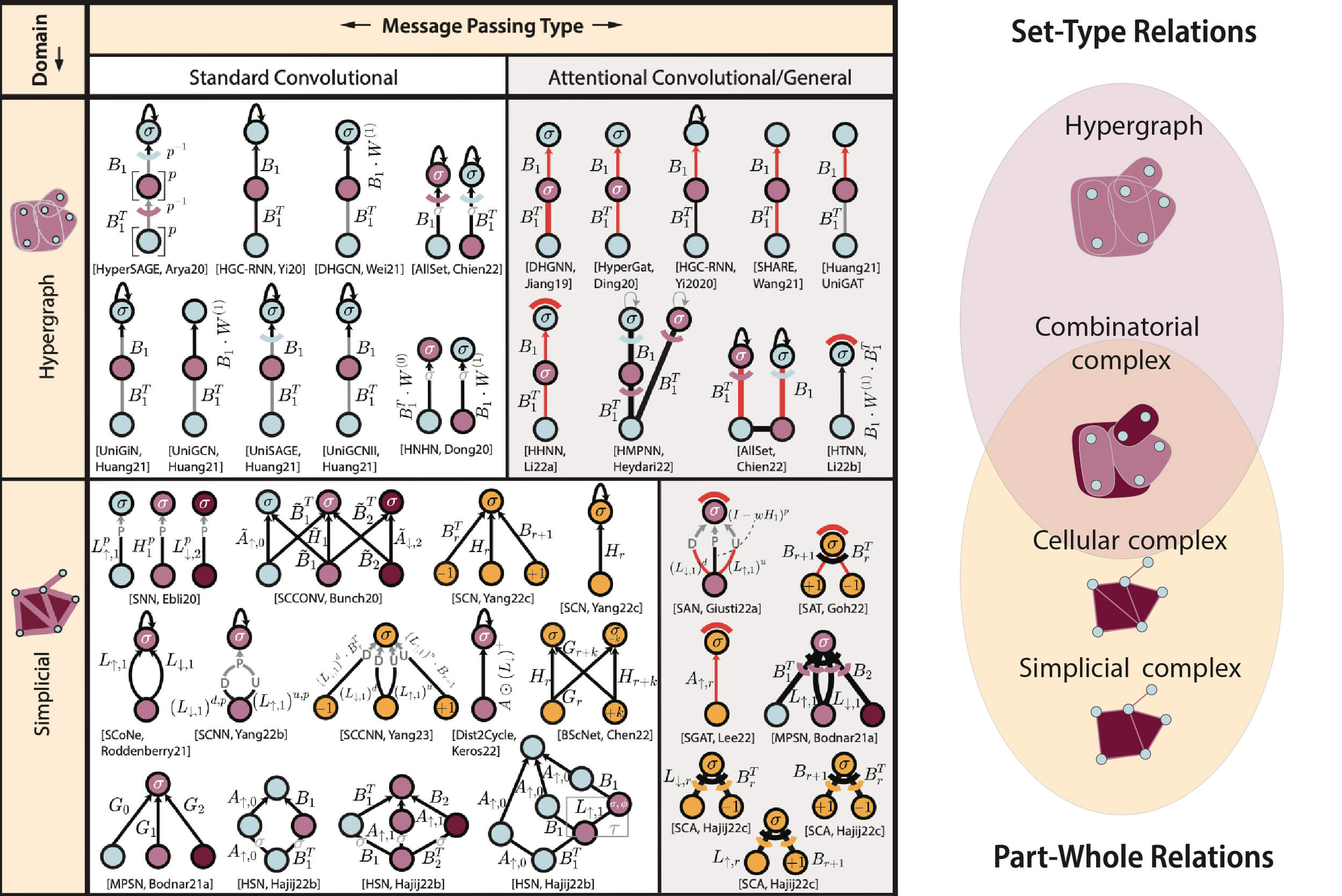
We study the properties of top-performing AI models and design mathematical approaches to improve them. Learn more.
Geometric Intelligence in Brains
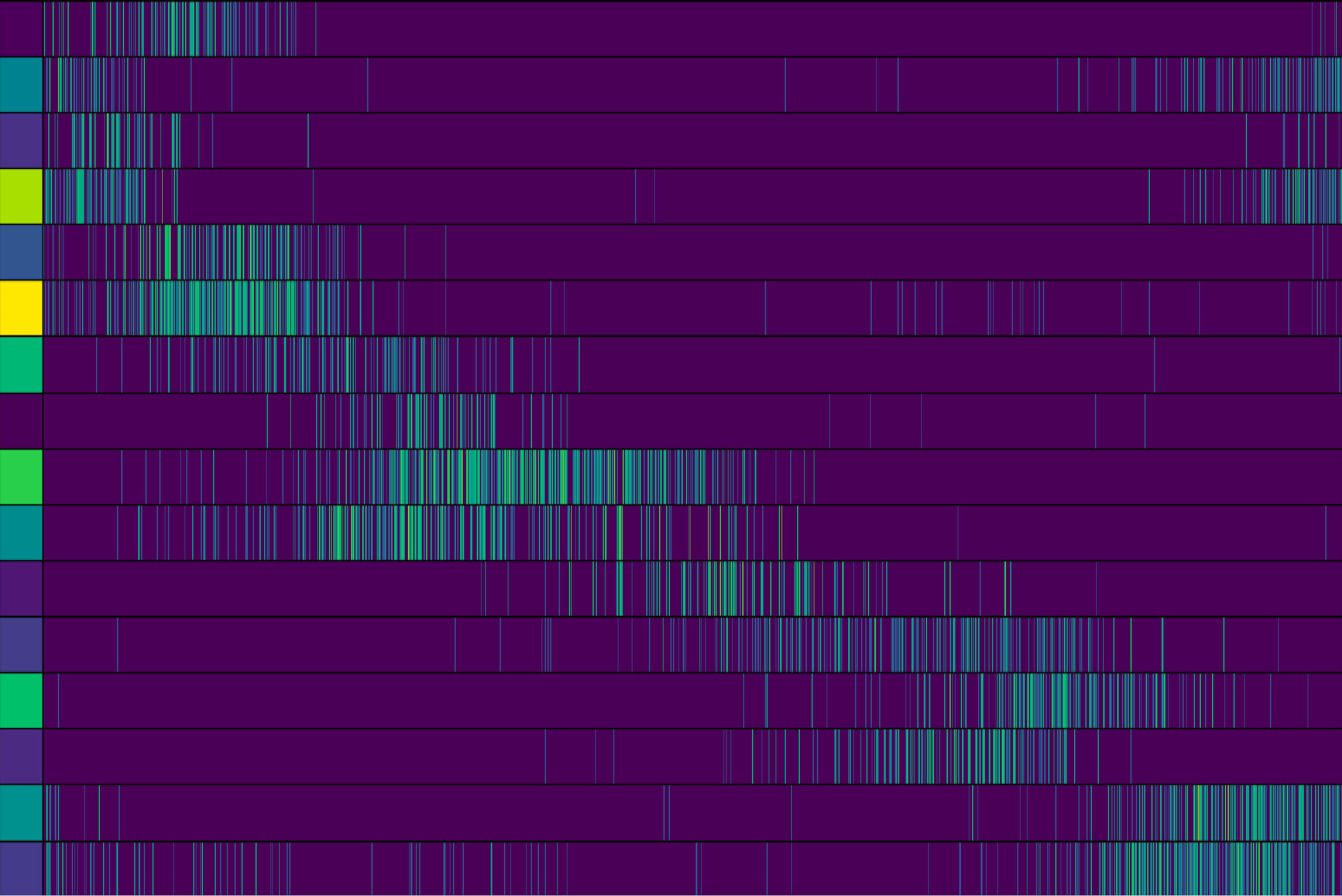
We study patterns of neural activity across diverse cognitive functions—from navigation and memory to vision. Learn more.
Building Brain Digital Twins

We use AI models to build digital twins of the brain, simulating its function in both health and disease. Learn more.
Latest News

Our software Geomstats is in the news! Open-Source Bridges the Gap between Mathematical Research and Industry
Ovio starts a new series of blog posts showcasing the extraordinary #maintainers and #communities that are making #opensource.
Read MoreOur software Geomstats is in the news! Open-Source Bridges the Gap between Mathematical Research and Industry
We Participate in the MIT Summer Geometry Institute: "The Shape of Success"
The MIT Summer Geometry Institute (SGI) is a paid summer research program introducing undergraduate and graduate students to the field of geometry processing. Congrats to Geometric Intelligence Lab's interns Faria Huq, Sahra Yusuf and Berna Kabadayi, whose project made it to the first page of the MIT EECS webpage: "The Shape of Success"!
Read MoreWe Participate in the MIT Summer Geometry Institute: "The Shape of Success"