
We use advanced mathematics to unify the study of intelligence in brains and machines.
We build efficient AI models that succeed where most fail. We deliver up to +66% higher accuracy or the same accuracy with 10× faster models, even when datasets are small, noisy, and complex (e.g., networks, and 3D shapes).
We provide new perspectives in neuroscience, revealing the mathematics that let our brains explore the world, store memories, and master new skills.
Geometric Intelligence Research
Just as physicists uses geometry to build unification theories, we show that brain and machine intelligences can be studied under a common framework: geometric intelligence.
The idea is that data has structure and this structure has power. It helps us rethink the building blocks of AI to make it more efficient. It helps us understand how brains compute so effectively.
Geometric Intelligence in Machines
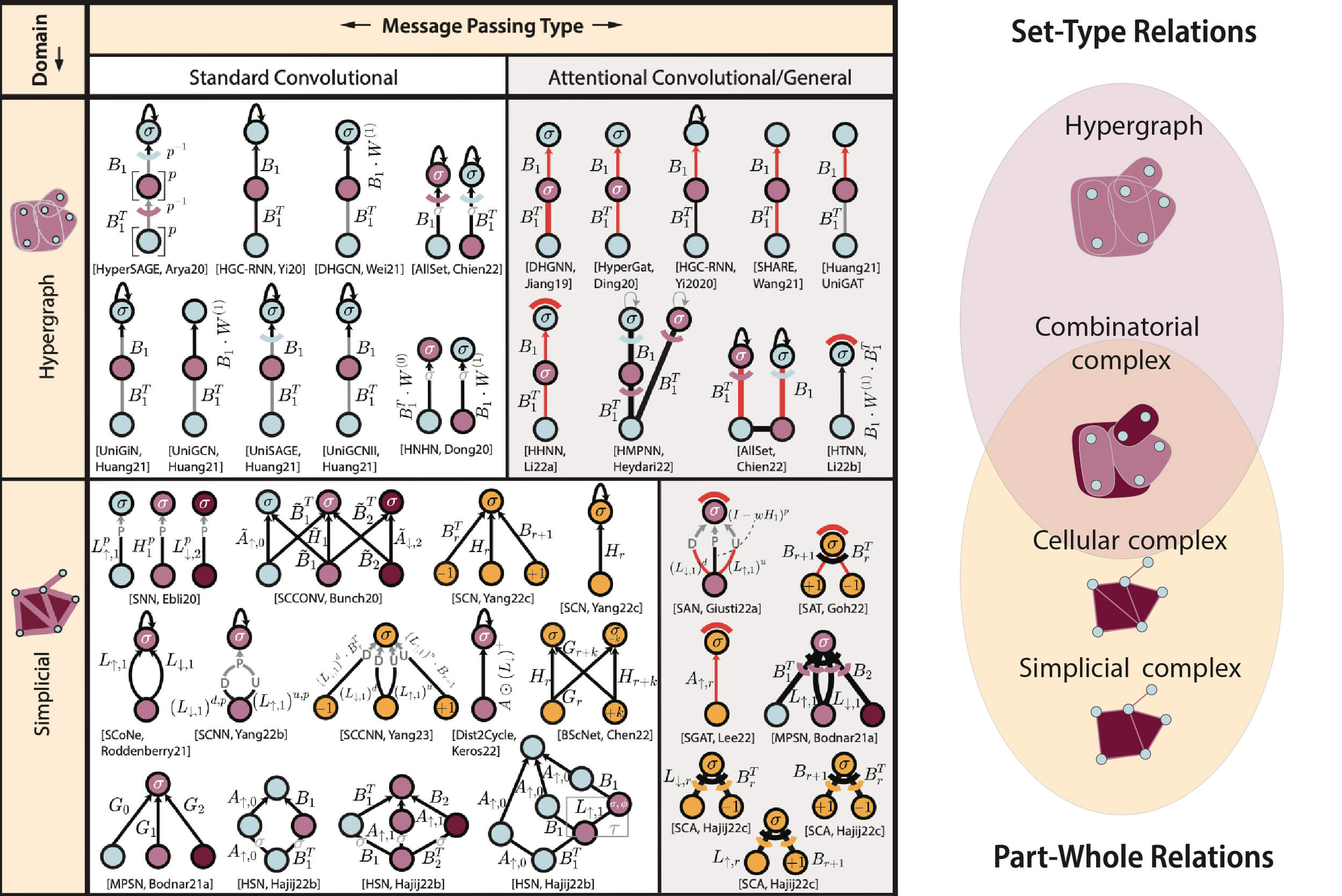
We study the properties of top-performing AI models and design mathematical approaches to improve them. Learn more.
Geometric Intelligence in Brains
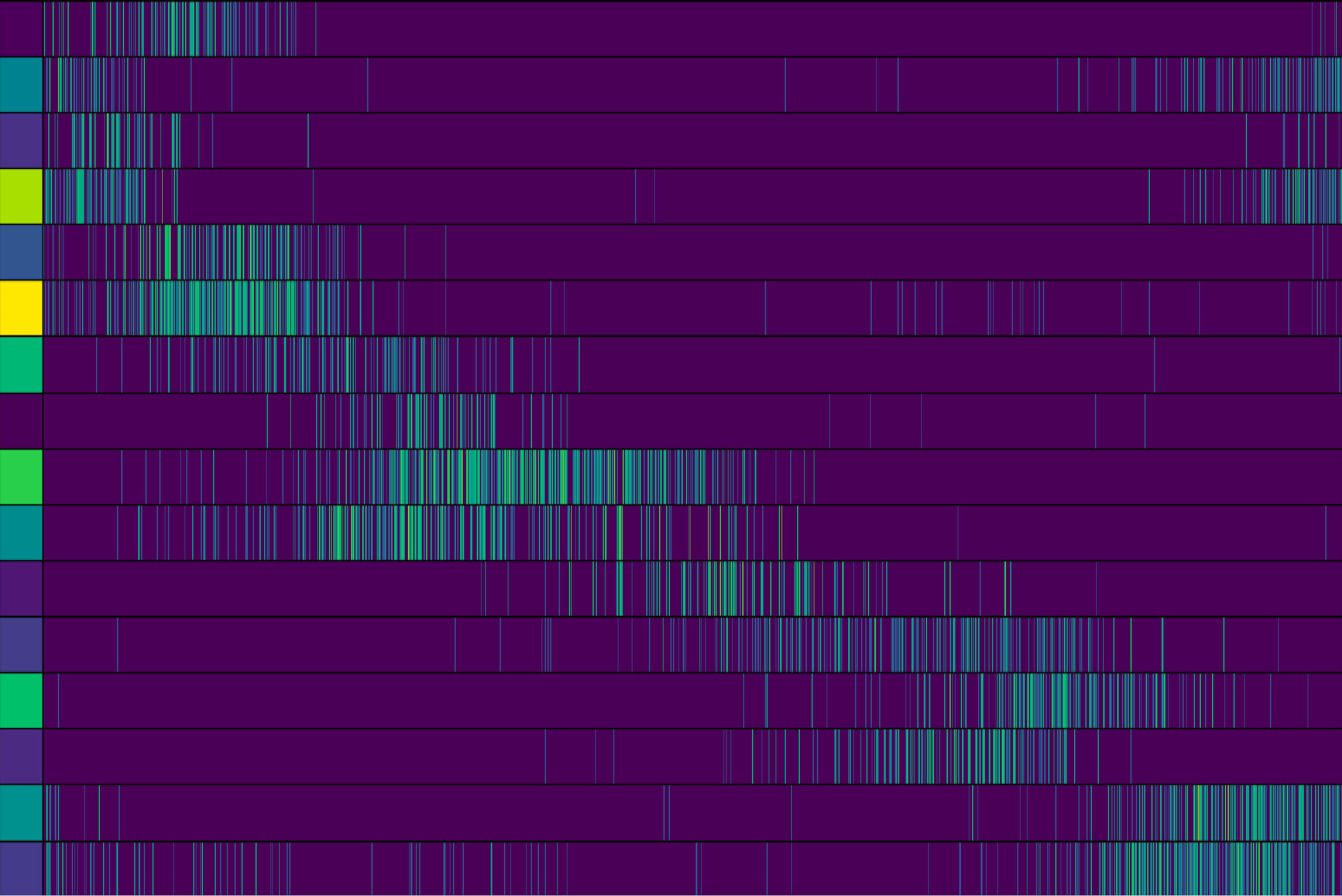
We study patterns of neural activity across diverse cognitive functions—from navigation and memory to vision. Learn more.
Building Brain Digital Twins
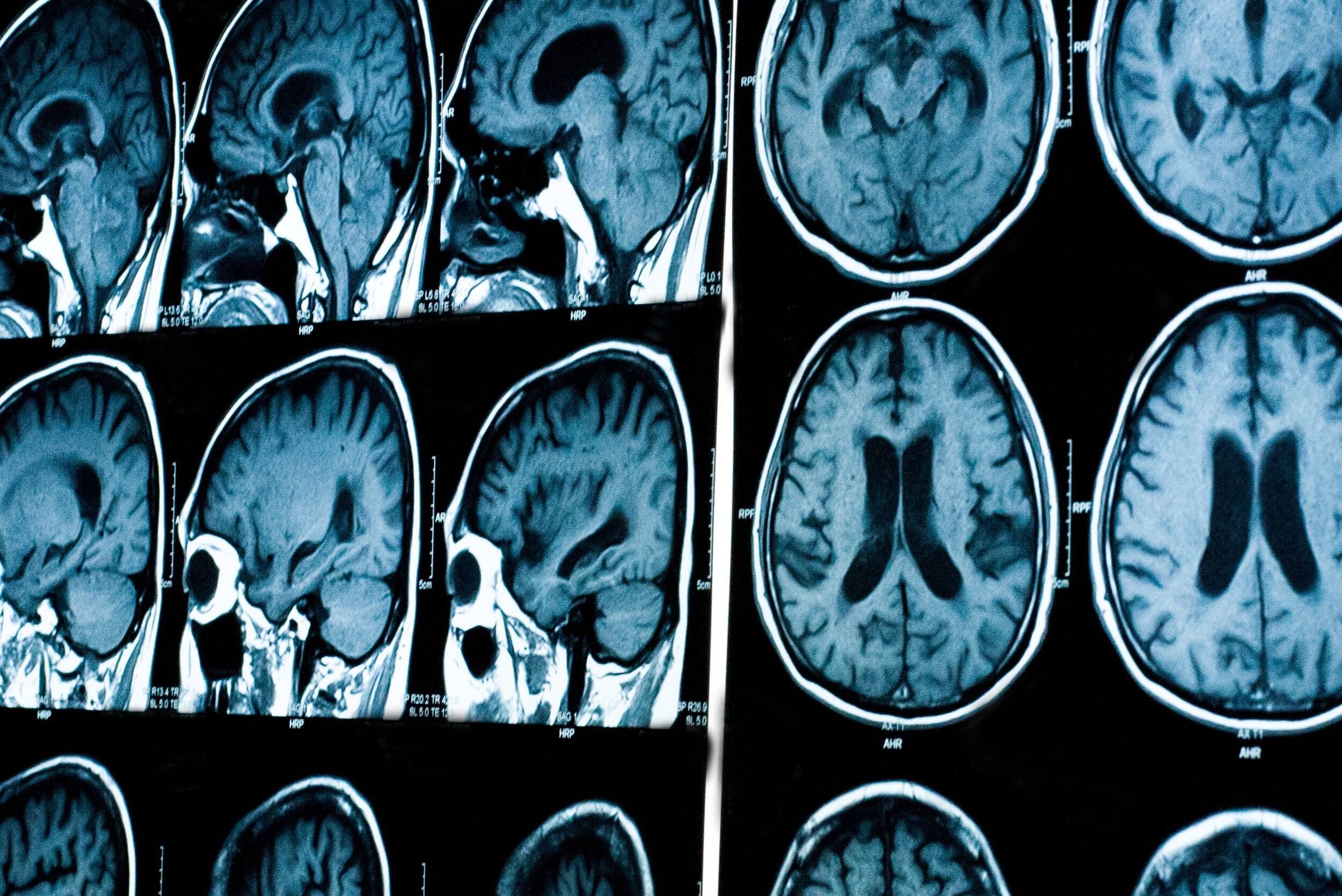
We use AI models to build digital twins of the brain, simulating its function in both health and disease. Learn more.
Latest News

UCSB Research Collaboration on Brain Sex Differences Featured in Nature
Read MoreUCSB Research Collaboration on Brain Sex Differences Featured in Nature
The Leiden Rankings Ranks UC Santa Barbara #1 Among U.S. Public Universities for Scientific Impact
Read MoreThe Leiden Rankings Ranks UC Santa Barbara #1 Among U.S. Public Universities for Scientific Impact
Inside Higher Ed Publishes Our OpEd on Scientific Software as a Public Good
Dr. Nina Miolane, principal investigator of Geometric Intelligence Lab, co-authroed a recent op-ed in Inside Higher Ed examining the growing reliance of scientific research on corporate software platforms. The piece argues for treating research software and infrastructure as public goods, calling for sustained investment in open-source tools to ensure equity, reproducibility, and long-term scientific progress.
Read MoreInside Higher Ed Publishes Our OpEd on Scientific Software as a Public Good